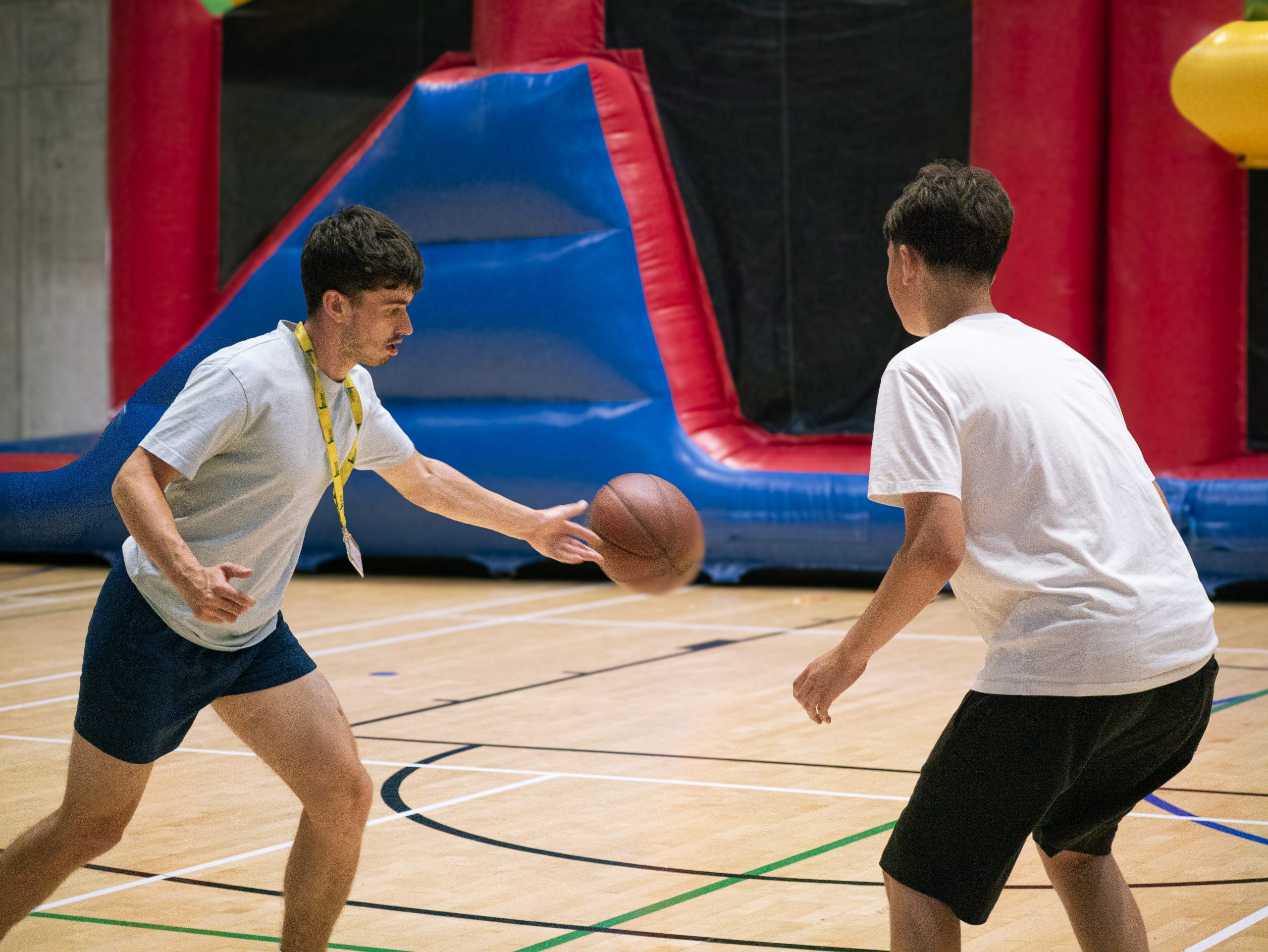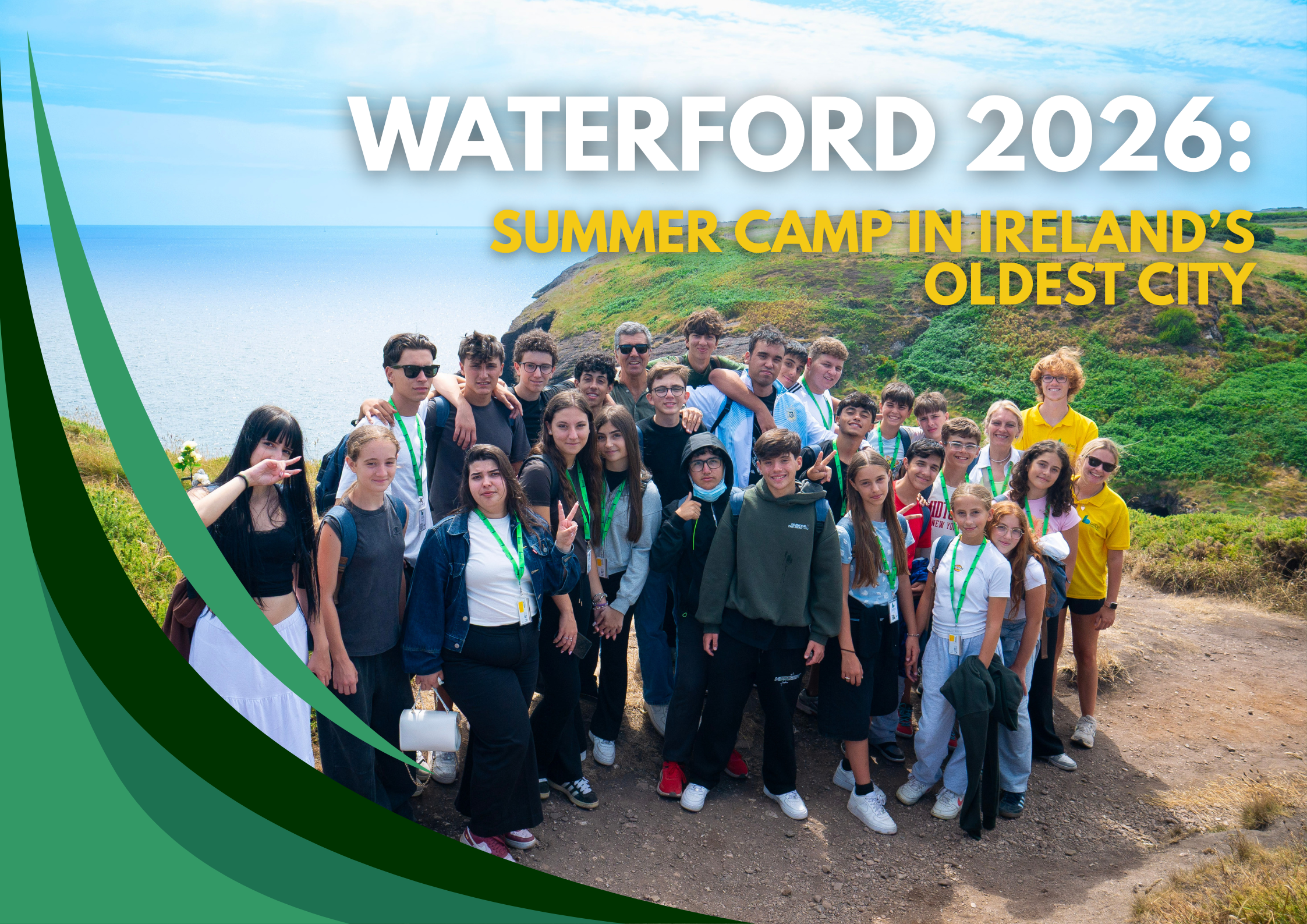
A fantastic first year for our Waterford Summer Camp

This summer, hundreds of young students came to Waterford for the very first Babel Academy Waterford Summer Camp.

After running our summer programmes at DCU and Manor House in Raheny for many years, opening a programme in a new city was a big addition to our summer season. Waterford welcomed groups from different countries throughout the summer, and the response from students and group leaders was fantastic.

The city itself played a big part in the programme. Waterford is Ireland’s oldest city, founded by the Vikings more than 1,100 years ago, and students had the chance to discover its Viking and medieval history during their stay. Museum visits and local cultural activities gave them a chance to see a very different side of Ireland while practising their English outside the classroom.
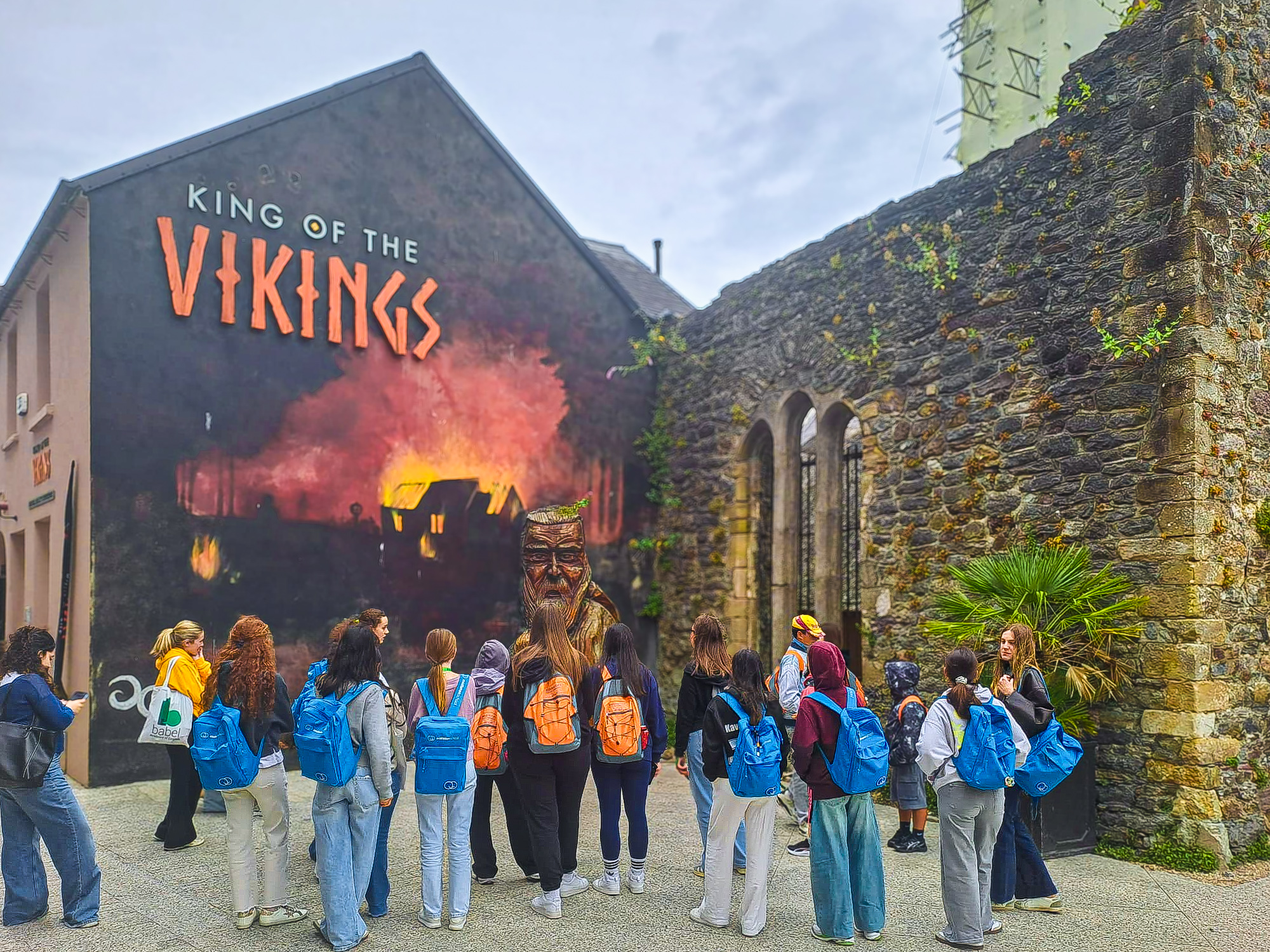
Babel Academy Waterford Summer Camp
Students at Babel Academy Waterford Summer Camp

Discovering Waterford and Its History

Waterford itself was an important part of the summer programme. As Ireland’s oldest city, founded by the Vikings more than 1,100 years ago, it gave students the chance to explore a part of Ireland with a very strong historical identity. During their stay, students visited museums and took part in cultural activities connected to the city’s Viking and medieval past.

These visits gave students a better sense of the place they were staying in and added a cultural element to the programme outside the classroom. They were able to explore historic parts of the city, learn about Waterford’s origins and discover some of the stories connected to its development over the centuries. It also gave them more opportunities to use English naturally while visiting attractions and taking part in guided activities.

A Full Programme of Activities

The activity programme kept students busy throughout their time in Waterford, with a wide range of activities taking place during the week. Surfing was one of the highlights, giving students the chance to get out on the Waterford coast and try something that many had never experienced before.

At the SETU Arena, groups had access to excellent sports facilities and took part in different games and organised activities. Laser tag quickly became one of the favourites, while the wider sports programme gave students plenty of opportunities to be active, spend time with their groups and enjoy a different side of the summer camp.

Students also spent time outdoors on the Dunmore East Cliff Walk. The route gave them the chance to enjoy the coastal scenery, spend time in nature and experience another side of Waterford away from the city centre. It added a quieter outdoor element to the programme and gave groups time to explore the local landscape together.

Students surfing during the Waterford Summer Camp
Students taking part in activities at SETU Arena
Summer Camp activities at SETU Arena
Students enjoying activities at SETU Arena
Students on the Dunmore East Cliff Walk
Students visiting Bishop's Palace in Waterford
Dunmore East Cliff Walk during the Waterford Summer Camp
Arts and crafts during the Waterford Summer Camp

Leadership and Innovation

Our Leadership Programme was another important part of the summer in Waterford, with a strong focus on developing skills for life and encouraging the leaders of tomorrow. Students took part in practical activities, group challenges and projects where they worked on communication, teamwork, problem solving and decision making. Innovation was a key part of the programme, with students encouraged to think creatively, develop their own ideas and find solutions together.

They had opportunities to take initiative, contribute to their groups and become more confident expressing their ideas in English. The programme brought a different dimension to their summer in Waterford, combining English learning with leadership, creativity and personal development.

Students taking part in the Waterford Leadership Programme
Students receiving certificates at the Waterford Summer Camp

The Student Experience in Waterford

For many of our students, the summer camp was their first opportunity to visit Waterford, and for some, their first time in Ireland. Over the course of their stay, they spent their days learning English, exploring the city, taking part in activities and sharing the experience with other young people from different countries.

Waterford offered a great setting for the programme. Students had a city that was easy to explore, access to the coast and outdoor activities, modern facilities at SETU and a programme that kept them active throughout their stay. There was plenty happening each week, while groups also had time to enjoy being together and get to know Waterford.

What Our Students and Group Leaders Said

The feedback we received throughout the summer was fantastic. Students spoke about how much they enjoyed Waterford, the activities and the friendships they made during the camp. We also received very positive feedback from group leaders who accompanied the students and experienced the programme throughout their stay.

As this was our first year running a Summer Camp in Waterford, hearing directly from the students and group leaders was particularly valuable. Their response confirmed just how well Waterford worked as a summer destination for our junior groups.

We have included some of their video testimonials below so you can hear directly from the students and group leaders who joined us this summer.

Seeing hundreds of students come through our first Waterford Summer Camp and enjoy the programme so much made the first year a real success.

Thank you to all of the students and group leaders who joined us, and to the teams in Waterford who worked throughout the summer to make our first season there happen. 💚

Waterford Summer Camp 2027

Planning for summer 2027 is already underway. Agencies interested in sending groups to our Waterford Summer Camp can contact our team for information about the programme, availability and bookings for next summer.

Get in touch with our team to start planning your Waterford Summer Camp 2027 groups.

La ventaja que marca la diferencia entre los jóvenes en el mercado laboral español

En el mercado laboral español, el inglés ha dejado de ser un valor añadido para convertirse en un requisito frecuente.

Según el Informe Infoempleo Adecco, el 32,2 % de las ofertas de empleo en España requiere un segundo idioma, y en más del 90 % de esos casos el idioma solicitado es el inglés (Infoempleo & Adecco, 2023).

Mayor empleabilidad y acceso a puestos cualificados

El mismo informe señala que la exigencia de idiomas es significativamente mayor en puestos técnicos, mandos intermedios y directivos. En posiciones de mayor responsabilidad, el requisito de inglés puede superar el 60 % (Infoempleo & Adecco, 2023).

Esto refleja una realidad clara: cuanto mayor es el nivel del puesto, mayor es la probabilidad de que se requiera inglés.

El inglés y el desempleo juvenil en España

España mantiene una de las tasas de desempleo juvenil más altas de la Unión Europea. Según datos de Eurostat, en 2025 la tasa de desempleo entre menores de 25 años en España se situaba en torno al 23 %, muy por encima de la media europea (Eurostat, 2026).

El inglés aumenta la competitividad salarial

Estudios internacionales muestran que el dominio avanzado del inglés se asocia con mayores niveles de ingresos y satisfacción laboral. Una investigación global de Pearson encontró que el 80 % de los encuestados considera que tener un buen nivel de inglés está relacionado con un mayor potencial salarial (Gioannelli, 2024).

Aunque el impacto exacto puede variar según sector y experiencia, en España los perfiles bilingües tienden a acceder con mayor facilidad a empresas multinacionales, startups tecnológicas y puestos vinculados a exportación o comercio exterior.

¿Podrías usar el inglés con seguridad en una entrevista, en una reunión o en un entorno internacional?

Cómo saber cuál es tu nivel de inglés

Más allá de certificados, tu nivel se mide por lo que puedes hacer en situaciones reales.

Nivel A1 : Básico inicial

Puedes:

  • Presentarte y dar información personal sencilla
  • Entender frases muy básicas si se hablan despacio

No puedes:

  • Mantener una conversación más allá de intercambios cortos
  • Desenvolverte en una entrevista profesional

En este nivel, el objetivo es construir una base sólida que permita comprender y producir estructuras muy básicas con seguridad. Lo importante es ganar confianza y empezar a utilizar el idioma en situaciones simples sin depender completamente de apoyo externo.

Nivel A2 : Básico

Puedes:

  • Mantener conversaciones sencillas sobre temas cotidianos
  • Describir experiencias simples en pasado
  • Comprender información básica si se expresa con claridad

Dificultades habituales:

  • Dependencia de estructuras simples
  • Dificultad para seguir conversaciones naturales entre nativos
  • Limitación importante de vocabulario

En este nivel, el objetivo es ampliar estructuras y vocabulario básico para poder mantener intercambios más largos y menos dependientes de frases memorizadas. Se busca empezar a ganar autonomía comunicativa en situaciones cotidianas y avanzar hacia mayor fluidez

Nivel B1 : Intermedio

Es uno de los niveles más habituales en España.

Puedes:

  • Mantener conversaciones relativamente fluidas sobre temas conocidos
  • Expresar opiniones y justificar ideas sencillas
  • Comprender la idea general en reuniones no técnicas

Dificultades habituales:

  • Pausas frecuentes al hablar
  • Vocabulario limitado en contexto profesional
  • Inseguridad al defender ideas con precisión

En este nivel, el objetivo es consolidar la fluidez y reducir las pausas al hablar, ampliando el vocabulario y la precisión en contextos más formales. Se trata de pasar de una comunicación funcional a una comunicación más segura y sostenida, especialmente en entornos profesionales.

Nivel B2 : Intermedio alto

Puedes:

  • Participar en conversaciones complejas
  • Defender opiniones
  • Comprender discusiones técnicas en tu sector

Dificultades habituales:

  • Falta de naturalidad
  • Errores sutiles
  • Limitaciones en vocabulario específico

En este nivel, el objetivo es perfeccionar la naturalidad y la precisión en el uso del idioma. Se busca consolidar vocabulario específico, ganar soltura en conversaciones complejas y desenvolverse con mayor seguridad en reuniones, entrevistas o contextos internacionales.

Nivel C1 : Avanzado

Puedes:

  • Expresarte con fluidez y espontaneidad
  • Adaptar el registro según el contexto profesional
  • Participar en negociaciones complejas
  • Redactar informes con precisión
  • Comprender distintos acentos

Dificultades habituales:

  • Matices culturales específicos
  • Vocabulario altamente especializado
  • Interacción en contextos de alta presión

En este nivel, el objetivo es afinar cómo utilizas el idioma en contextos reales de alta exigencia. Se busca ganar mayor seguridad al interactuar con distintos acentos, adaptarte con naturalidad a diferentes entornos profesionales y comunicarte con precisión incluso bajo presión.

Cuánto tiempo se tarda realmente en mejorar

El Marco Común Europeo de Referencia para las Lenguas relaciona los niveles con horas aproximadas de aprendizaje acumuladas.

      • A1: alrededor de 200 horas
      • A2: alrededor de 400 horas acumuladas
      • B1: alrededor de 600 horas acumuladas
      • B2: alrededor de 800 horas acumuladas

(Rosetta Stone, 2023)

Estas cifras son orientativas y suelen basarse en aprendizaje estructurado tradicional. No reflejan completamente el impacto de la exposición continua en un entorno de habla inglesa.

Por qué la inmersión acelera el aprendizaje

La investigación en adquisición de segundas lenguas ha demostrado que la interacción frecuente y significativa favorece el desarrollo lingüístico (Long, 1996).

      • La comprensión mejora más rápido
      • La producción oral se automatiza
      • El vocabulario se consolida en contexto
      • La confianza aumenta progresivamente

Vivir en un país de habla inglesa no garantiza resultados automáticos, pero aumenta la intensidad de exposición y práctica, lo que puede reducir el tiempo necesario para alcanzar competencia funcional comparado con estudiar únicamente en el país de origen.

La diferencia entre estudiar y desenvolverse

      • Automatización
      • Seguridad
      • Capacidad de reacción espontánea
      • Uso continuo en contexto real

Ese salto es el que suele marcar la diferencia en empleabilidad.

Antes de decidir cuánto tiempo estudiar

No todas las personas necesitan el mismo número de semanas.

      • Tu nivel actual
      • Tu objetivo profesional o académico
      • El grado de autonomía que necesites alcanzar

La decisión no debería basarse en cuántas semanas puedes hacer, sino en cuánto tiempo necesitas para alcanzar el nivel que te permita utilizar el inglés con seguridad.

¿Te interesa conocer nuestros programas?

Si estás considerando mejorar tu inglés mediante una experiencia de estudio en inmersión, puedes recibir información detallada sobre nuestros programas, duraciones y precios.


SOLICITAR INFORMACIÓN

Praktikum in Dublin Erfahrungen: Meine erste Woche

Warum ich in Dublin ein Praktikum mache

Hallo zusammen! Ich mache normalerweise meine Ausbildung im E-Commerce in Berlin. Aktuell bin ich aber für ein Auslandspraktikum in Irland. Dank Erasmus+ habe ich meinen Alltag in Deutschland gegen ein Praktikum in Dublin getauscht. Ich arbeite an der Rezeption und im Marketing einer Sprachschule. Praktikum in Dublin Erfahrungen sammle ich dabei gerade jeden Tag neu. Deshalb teile ich hier meine ersten Eindrücke und Tipps, die mir in der ersten Woche wirklich geholfen haben.


Belebte Kopfsteinpflasterstraße in Dublin mit roten Pub-Fassaden, Lichterketten und Passanten.


Ankunft in Dublin: Mein Start ins Auslandspraktikum

Mein Start in Dublin war direkt intensiv. Wir sind am Sonntagnachmittag angekommen, deshalb blieb kaum Zeit zum Ankommen oder Auspacken. Stattdessen hieß es: Wecker stellen, denn mein erster Arbeitstag begann am Montagmorgen um 8:30 Uhr.

Schon ab Tag eins fühlte es sich anders an als ein Urlaub. Meine Unterkunft liegt am Stadtrand, daher klingelt mein Wecker früh (bei mir war es 6:50 Uhr). Gerade im Winter sehe ich Dublin unter der Woche oft erst im Dunkeln. Trotzdem hat die Stadt selbst bei Nieselregen und Straßenlaternenlicht etwas Besonderes.


Schotterweg auf einen Hügel mit Felsen und Sträuchern, mehrere Wanderer oben und am Weg, blauer Himmel.


Dublin vs. Berlin: Orientierung und erster Eindruck

Was mir sofort aufgefallen ist: Dublin wirkt deutlich kompakter als Berlin. Im Großraum Dublin leben zwar rund 1,4 Millionen Menschen, aber das Zentrum fühlt sich kleiner und familiärer an. Außerdem sind viele Orte, die man am Anfang braucht, überraschend gut zu Fuß erreichbar, vor allem rund um den Fluss Liffey. Dadurch hat mir das in den ersten Tagen sehr geholfen, weil ich mich schneller orientieren konnte.


Eckgebäude aus rotem Backstein mit irischem Pub im Erdgeschoss, Straßenkreuzung in Dublin.

Lebenshaltungskosten in Dublin: Preise und Spartipps

Ein echter Kulturschock waren die Preise. Dublin ist spürbar teurer als Berlin, besonders bei Miete, Restaurantbesuchen und auch im Pub. Wenn du ein Praktikum in Dublin machst, lohnt es sich deshalb, direkt am Anfang auf kleine Spartipps zu achten. Vor allem in der ersten Woche merkt man das sofort.

Tipp für die erste Woche: Meal Deal (günstig essen)

In meiner ersten Mittagspause habe ich fast 10 Euro für Snacks bezahlt. Danach habe ich den „Meal Deal“ entdeckt: In vielen Supermärkten bekommst du für etwa 4,99 Euro ein Sandwich oder einen Wrap, einen Snack und ein Getränk. Für mich war das der beste „Erste‑Woche“-Hack, weil man schnell etwas zu essen bekommt und trotzdem im Budget bleibt. Gerade an stressigen Tagen ist das extrem praktisch.


Nachtaufnahme einer Stadt mit beleuchteten Straßen und Häusern, Blick über Dächer unter klarem Himmel.

Nahverkehr in Dublin: Leap Card einfach erklärt

Auch der Nahverkehr ist anders als in Deutschland. Statt einer klassischen Monatskarte wird in Dublin häufig die Leap Card genutzt. Das ist eine grüne Guthabenkarte, die du auflädst und dann beim Fahren nutzt.

Wichtig in der Praxis:

  • Beim Einsteigen hältst du die Karte an das Gerät („Tag-on“).

  • Beim Aussteigen hältst du sie nochmal dran („Tag-off“).

  • Wenn du das Tag-off vergisst, kann es passieren, dass dir automatisch der höhere bzw. maximale Preis berechnet wird.

Wenn du in deiner ersten Woche in Dublin viel pendelst, ist es sinnvoll, dieses System direkt zu verinnerlichen. So sparst du Geld und außerdem auch Stress.


Bunte Pub-Fassade in Dublin mit Flaggen und gestreiften Markisen an einer Kopfsteinpflasterstraße.

Sprache und Kultur: Akzent, „Grand“ und Mentalität

Sprachlich komme ich gut zurecht. Allerdings waren der irische Akzent und das Tempo mancher Einheimischer anfangs ungewohnt. Was mir an meinem Auslandspraktikum in Dublin besonders auffällt, ist die Freundlichkeit der Menschen. Zwei kulturelle Kleinigkeiten waren für mich sofort hilfreich:

  • „How are you?“ oder „Howya?“ ist oft nur eine Begrüßung. Es ist also keine echte Frage nach deinem Befinden.

  • Das Wort „Grand“ ist eine der wichtigsten Vokabeln. Es bedeutet meist nicht „großartig“, sondern eher „passt schon“, „alles okay“ oder „gut“.


Abendliche Kopfsteinpflasterstraße mit Lichterketten und großer leuchtender Rentier-Dekoration, viele Menschen unterwegs.

Fazit: Praktikum in Dublin Erfahrungen nach Woche 1

Trotz Regen und hoher Preise gefällt mir mein Praktikum in Dublin sehr gut. Ich mag die Pub-Kultur mit Live-Musik, und ich fand es spannend zu sehen, wie schnell man in der Stadt ankommt, wenn man erst einmal seinen Alltag rhythmisiert hat.

Insgesamt bin ich gespannt auf die nächsten Wochen und besonders auf meinen ersten Ausflug an die irische Küste. Ich hoffe, meine Erfahrungen beim Praktikum in Dublin helfen dir bei deiner eigenen Planung.

Autor

Jonas Welz

Praktikant

English Course Prices in Dublin: What’s Included & Why They Vary

Understanding the Value Behind English Course Prices in Dublin

If you’ve ever searched for English course prices in Dublin, you’ve probably noticed that costs vary from one school to another. At Babel Academy of English in Dublin, your tuition fee covers far more than classroom hours. Every course is designed as a complete language learning experience with personalised teaching, modern tools, and ongoing support to help you achieve your goals.

Here’s what’s included:

✅ Experienced Teachers & Communicative Methodology
Learn with qualified, experienced teachers who use interactive and real-life learning approaches.

➡️ Discover our teaching approach

✅ Small Class Sizes
Classes are limited to a maximum of 15 students to ensure personal attention and progress.

✅ Digital Learning Tools
Every student has access to GELnet, an online platform that tracks progress, suggests personal study plans, and extends learning beyond the classroom. Discover the GELnet app

✅ Placement Testing & Progress Reviews
You’ll start at the right level and receive regular feedback to ensure continuous improvement.

✅ Cultural and Social Activities
Enjoy real-world English practice through excursions, cultural outings, and Dublin-based social events.

✅ Certificate & Support Services
Finally, every student receives a certificate of completion, along with access to student support, accommodation advice, and a welcoming Dublin experience.

What other fees do I need to pay?

 What Other Fees Apply to English Courses in Dublin

In addition to your tuition fee, there are a few additional costs that help cover materials, registration, and essential student services. These are standard across accredited English language schools in Ireland and ensure a smooth, well-supported study experience.

Here’s what to expect at Babel Academy of English:

  • 🧾 Registration Fee: Covers administrative setup, placement testing, and certification.

  • 📚 Course Materials Fee: €50 for short-term courses (1–11 weeks) or €85 for long-term enrolments (12+ weeks). This includes printed materials and access to digital resources like GELnet.

  • 🧍‍♀️ Learner Protection Insurance (for long-term students): Required for non-EU students or anyone taking a long-stay visa course (typically 25 weeks). It guarantees your tuition is protected.

  • 🏥 Medical Insurance for Non-EU Students: According to the Irish Immigration Service, all non-EU students must have valid health insurance for the duration of their stay to meet Irish visa requirements. Babel Academy can help you arrange approved cover at competitive rates when you enrol.
  • 🏡 Accommodation Booking Fee: Applies when you book accommodation (host family or residence) through the school.

  • 🚖 Airport Transfer Fee (optional): Available for students arriving in Dublin who want pickup service.

  • 🎓 Exam or Certification Fees (optional): Some specialised courses (e.g. IELTS, Business English) may have separate external exam fees.

These small but essential fees ensure full support, compliance with Irish education standards, and a seamless arrival and learning experience. You can also check the official Education in Ireland site for visa information.

Can I Pay for My English Course Monthly?

This is a common question, and the answer depends on the type of course you’re taking.

For most courses at Babel Academy:

“All course fees should be paid in full at least 30 days prior to the student commencing their course.”
(Source: Terms & Conditions)

That means full payment before starting your course is the standard policy.

However, for long-term or group programmes, it’s always worth asking directly. The team at Babel is approachable and may discuss flexible arrangements depending on the course type or institutional agreements.
➡️ Contact us to discuss payment options 

Why Do English Course Prices in Dublin Vary So Much?

If you’ve researched English courses in Dublin, you’ve probably noticed prices can vary quite a lot. Let’s unpack why  and what affects the cost.

1. Course Intensity and Hours per Week: How Course Duration Affects English Course Prices in Dublin

  • Standard English for Life: 15 hours/week

  • Intensive English: 30 hours/week

  • IELTS Preparation / English for Work: 20 hours/week

➡️ See full price list

More hours = more teaching time = higher cost.

2. Course Duration & Discounts

Longer courses often include discounts.
For example: 15% discount on tuition fees for bookings of 12+ weeks.

Materials fees also vary by course length (€50 for 1–11 weeks, €85 for 12+ weeks)

We  usually offer discounts, get in touch with us to know our special promotions.

3. Extras and Services Included

At Babel, the value is in the whole experience, not just tuition hours:

  • Social and cultural programmes

  • Digital learning tools (GELnet access)

  • Progress tracking

  • Certificates and student support

These extras enhance learning and are part of what makes quality schools slightly more expensive, and more effective.

4. Location & Facilities

Babel Academy is based in Dublin city centre (Eden Quay / Capel Street), offering easy access to transport, attractions, and a lively student environment.
Prime location = higher operating costs, but also a better overall experience.
➡️ Why choose Babel?

5. Visa, Accreditation & Quality Standards

Non-EU students require extra services such as visa support, learner protection insurance, and compliance with Department of Justice regulations. Accredited schools like Babel offer these standards, ensuring safety and transparency.

6. Seasonal Demand & Offers

Prices can vary by season, summer programmes tend to be more in demand. Booking early or studying outside the high season can save you money.

Tips for Comparing English Course Prices in Dublin

When comparing English course prices in Dublin, consider these key questions:

  • How many hours per week are included?

  • Are materials, registration, and certificates included?

  • What’s the class size and teaching quality?

  • Are there extras like excursions or e-learning tools?

  • Does the school provide student support and accommodation help?

  • What are the payment terms and deadlines?

Final Thoughts

English course prices in Dublin can vary, but understanding what’s included helps you see the real value of your investment. At Babel Academy of English, every course is designed to combine expert teaching, real-life learning, and genuine care, all in the heart of Dublin.

🎯 Ready to learn English in Dublin?
➡️ View our current courses and prices
➡️ Contact us for advice or bookings

6 Unexpected Things You’ll Notice as a Newcomer in Dublin

Thinking about moving to Dublin or already here to study English? Beyond the famous landmarks and overpriced pubs, there are plenty of unexpected things about Dublin that you’ll quickly notice. The city is full of charming little surprises. Here are a few quirky things I discovered during my first weeks in Ireland’s capital!

1. Wet summers

Everyone warned me it would rain all the time. Like pouring down from the skies as if there was no tomorrow. Your shoes are wet, your glasses full of water droplets. But most days, there’s only a light drizzle that you don’t even notice after some time. Those super rainy days you see in rom-com movies and travel videos are rarer than you’d think. Of course, this didn’t stop me from packing not one, but two rain jackets. I’m not sure what the thought process was here, I’d be safe of double the amount of rain?

2. Sports

Right now, as I’m writing this, I don’t even know what sports are popular in Ireland (Sorry locals!). What I do know is that my second ever day in Dublin, I was going to run some errands. Little did I know the streets were going to be swarmed by fans and supporters in red or blue! It was definitely an interesting experience seeing the city so passionate and alive. Looking it up just now it was the 2025 All-Ireland Senior Hurling Championship Finale! If you’re a visitor like me, you might ask: what’s Hurling? Apparently, it’s a Gaelic team game in which you hurl a small ball with a wooden stick into a net. If you’re visiting, it would be a great opportunity to immerse yourself into the culture by going to a sports event.

3. Seagulls

Maybe this is just from living close to the docks… but I’ve been very aware of the seagulls. And you’ll find them all over the city, just wandering around, digging through trash and every so often you’ll see them fighting over food. Unless you’re from the coast of France or Denmark for example, you won’t be used to these animals. Coming from rural Germany, far from any big bodies of water, I was startled with the sheer number of seagulls one city could host. And how loud they could get at night….

4. Sundown, or the lack thereof

Summers in Dublin do not lack daylight hours, believe me. A city this far north is bound to have early sunrises and late sunsets. So, when you’re going out for a drink at 10pm it might still be light outside, don’t let that throw you off! Moreover, I’m from a village where it gets truly dark at night. The streetlamps turn off and the whole town is asleep. Don’t expect this in Dublin, it’s a capital city – not just on paper!

5. The Irish Language

You won’t hear much Irish (Gaeilge) in casual conversation, but it’s everywhere in the city: on street signs, bus announcements, and government buildings. It feels like a reminder that even as Dublin rushes onto globalization like the rest of the world, it proudly sticks to this important part of its identity. And every once in a while, someone will say “slán” instead of goodbye and it’ll catch you off guard in the best way.

6. Weather-(in)appropriate clothing: the least Unexpected Thing About Dublin

No matter the weather: rain, wind, hail, there’ll always be a guy in shorts. You’ll be in a hoodie in July contemplating why you chose Dublin as your destination as he’s running around like it’s his personal Greek holiday. Where is he going? Is he cold? We’ll never know. He’s a legend.


Final Thoughts on the Unexpected Things About Dublin

Every city has its quirks, but these unexpected things about Dublin are what make it such a memorable place to live, study, and explore. Keep an open mind, enjoy the surprises, and make the most of your time here!

Thinking of learning English in Dublin? Check the courses Babel Academy has to offer: https://babelacademy.ie/course-categories/adults-courses/

For more local recommendations, visit Visit Dublin, the official Dublin tourism guide.

You can also explore Ireland.com for cultural tips and events across Ireland.

Is Ireland a Good Place to Learn English in 2026? Here’s What You Need to Know

If you’re considering studying English abroad, you might be asking: “Is Ireland a good place to learn English in 2026?” The short answer is yes, and in 2026, Ireland remains one of the best countries to learn English for international students.

In this blog, we’ll explore the reasons why Ireland is a top destination to study English, the benefits of learning English in Ireland, and how to choose the best English language school in Ireland.

Why Choose Ireland to Learn English?

Ireland has rapidly become a popular destination for English learners from across the globe. Here’s why:

1. Native English-speaking environment

Ireland is one of the few countries in Europe where English is the primary language, giving students the chance to immerse themselves in English every day, from classes to conversations in cafés.

With its native English-speaking environment and friendly culture, it’s easy to see why Ireland is a good place to learn English for students from all over the world.

2. World-class English language schools

Ireland is home to top-rated English language schools in Dublin, Galway, Cork, and other cities. These schools offer a variety of courses including:

  • General English

  • – English for Work

  • -English for IELTS Exam preparation

  • -Work and Study programmes


3. Cultural immersion

Learning English in Ireland isn’t just about grammar and vocabulary, it’s about living the language. In Ireland you can experience from traditional Irish music sessions to historic walking tours. Students practice English in real-world, culturally rich settings.

4. Friendly and welcoming people

Irish people are known for being open, warm, and chatty. If you’re nervous about speaking English, Ireland is the perfect place to build confidence in a supportive learning environment.

5. Safe and student-friendly cities

Whether you’re in Dublin, Galway, Limerick, or a smaller town, Ireland is known for its high safety standards, reliable public transport, and strong international student support.

Who Should Learn English in Ireland?

  • European students looking for a close, accessible English-speaking destination

  • Students from Asia and Latin America seeking a cultural and educational experience in Europe

  • Working professionals who want to improve their English for global career opportunities


Top Cities to Learn English in Ireland

Here are some of the best cities in Ireland for English learners:

🌆 Dublin: The capital city is home to many accredited English schools, cultural landmarks, and a thriving international student community. Here is where our schools are located!

🌊 Galway: Known for its arts scene and beautiful coastline, Galway offers a relaxed but immersive environment for language learners.

🏰 Cork: Ireland’s second-largest city offers a mix of modern life and historical charm—ideal for students looking for a quieter, yet dynamic place to study English.

Common Questions About Studying English in Ireland

❓ Is Ireland better than the UK for learning English?

While both the UK and Ireland offer excellent English language education, Ireland is often more affordable, less crowded, and more welcoming for non-EU students, specially post-Brexit.

❓ Is the Irish accent hard to understand?

Some Irish accents may take time to get used to, but English teachers in Ireland speak clear, international-standard English.

❓ How much does it cost to study English in Ireland?

Prices vary depending on your course and length of stay. You can check our prices and available courses here

Conclusion

In short, Ireland is a good place to learn English, combining high-quality education, cultural immersion, and a welcoming atmosphere that makes language learning enjoyable and effective.

For more information on studying in Ireland, visit the Education in Ireland official website.
You can also check the Irish Immigration Service for visa and student requirements.

We encourage you to send us a Quote to discover special offers and seasonal promotions: Enquiry here now