2027-2028 Academic Calendar

To help all students with planning their academic year effectively, we have provided below a detailed Student Calendar for the 2026-2027 academic year. This calendar outlines all official school and Irish Bank holidays, so that students and staff can plan their personal and professional commitments accordingly.


🇮🇪 2027 School and Bank Holidays

Public holidays in 2027 are below:
  • Jan 1 (Fri): New Year’s Day
  • Feb 1 (Mon): St Brigid’s Day
  • Mar 17 (Wed): St Patrick’s Day
  • Mar 29 (Mon): Easter Monday
  • May 3 (Mon): May Bank Holiday
  • Jun 7 (Mon): June Bank Holiday
  • Aug 2 (Mon): August Bank Holiday
  • Oct 25 (Mon): October Bank Holiday
  • Dec 25 (Sat): Christmas Day
  • Dec 26 (Sun): St Stephen’s Day

At Christmas, the school will close for 2 weeks for students and teachers. We will close on Friday 17 December 2027 and reopen on Tuesday 4 January 2028.

Summer school dates are from from 27 June to 1 August.

Please note that while every effort has been made to ensure the accuracy of this calendar, unforeseen changes may occur. We recommend checking for any updates or announcements throughout the year.


Additional Notes

  • – Our school is open from Monday to Friday, and we have classes from 9am-5pm.
  • – We offer a variety of English courses, including General English, Erasmus+ Staff Training, IELTS preparation, English for Work and more.
  • – We have a team of experienced and qualified English teachers.
  • – We offer a friendly and welcoming learning environment.
  • – All adult programmes commence on a rolling enrolment basis. Courses start every Monday, or Tuesday if Monday is a public holiday.

We look forward to welcoming you to our school!

Babel Academy of English Has a New Home in Dublin City Centre

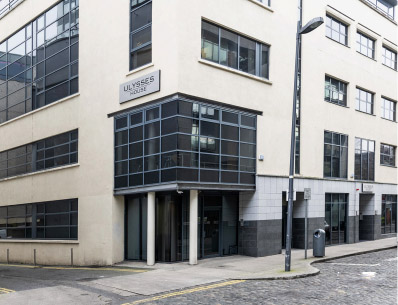
We are pleased to announce the opening of our new location at Ulysses House on Foley Street, Dublin 1, which will become Babel Academy of English’s third school location in Dublin.

Adding Ulysses House gives us another central base for our students, with convenient public transport connections and many of Dublin’s well known areas within easy reach. The new location will operate alongside our existing schools as part of Babel Academy’s continued growth in the city.

A Central Location for Our Students

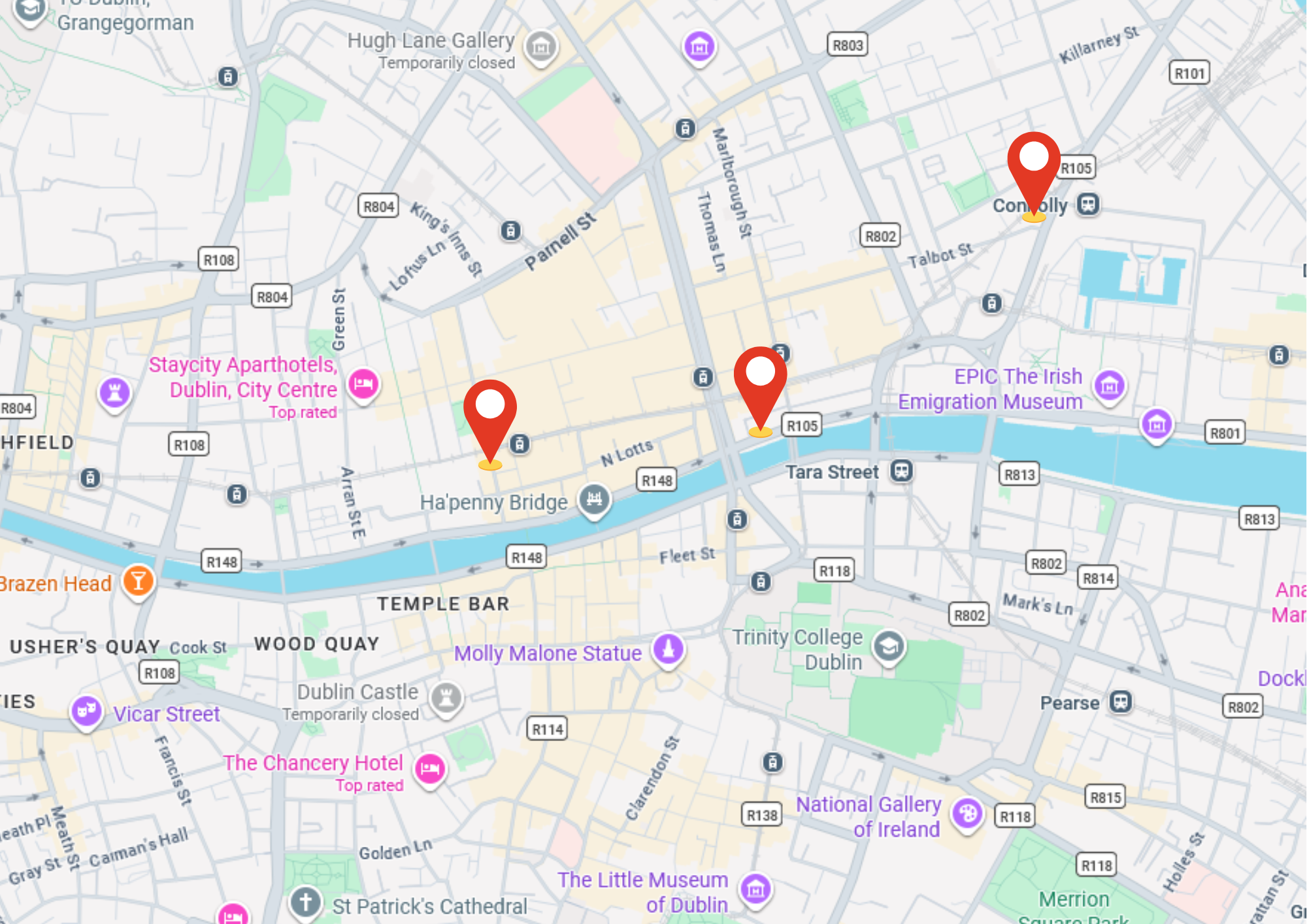
Ulysses House is located on Foley Street, close to some of Dublin’s main transport links. Connolly Station and several Dublin Bus and Luas services are nearby, making the school accessible for students travelling from different parts of Dublin.

The central location also means students can easily explore the city before or after class. Dublin’s shops, cafés, cultural attractions and busy city streets are all close to the school, giving students plenty of opportunities to use their English as part of everyday life in Dublin.

Map showing the location of Babel Academy at Ulysses House on Foley Street, Dublin

Comfortable Classrooms for Learning English

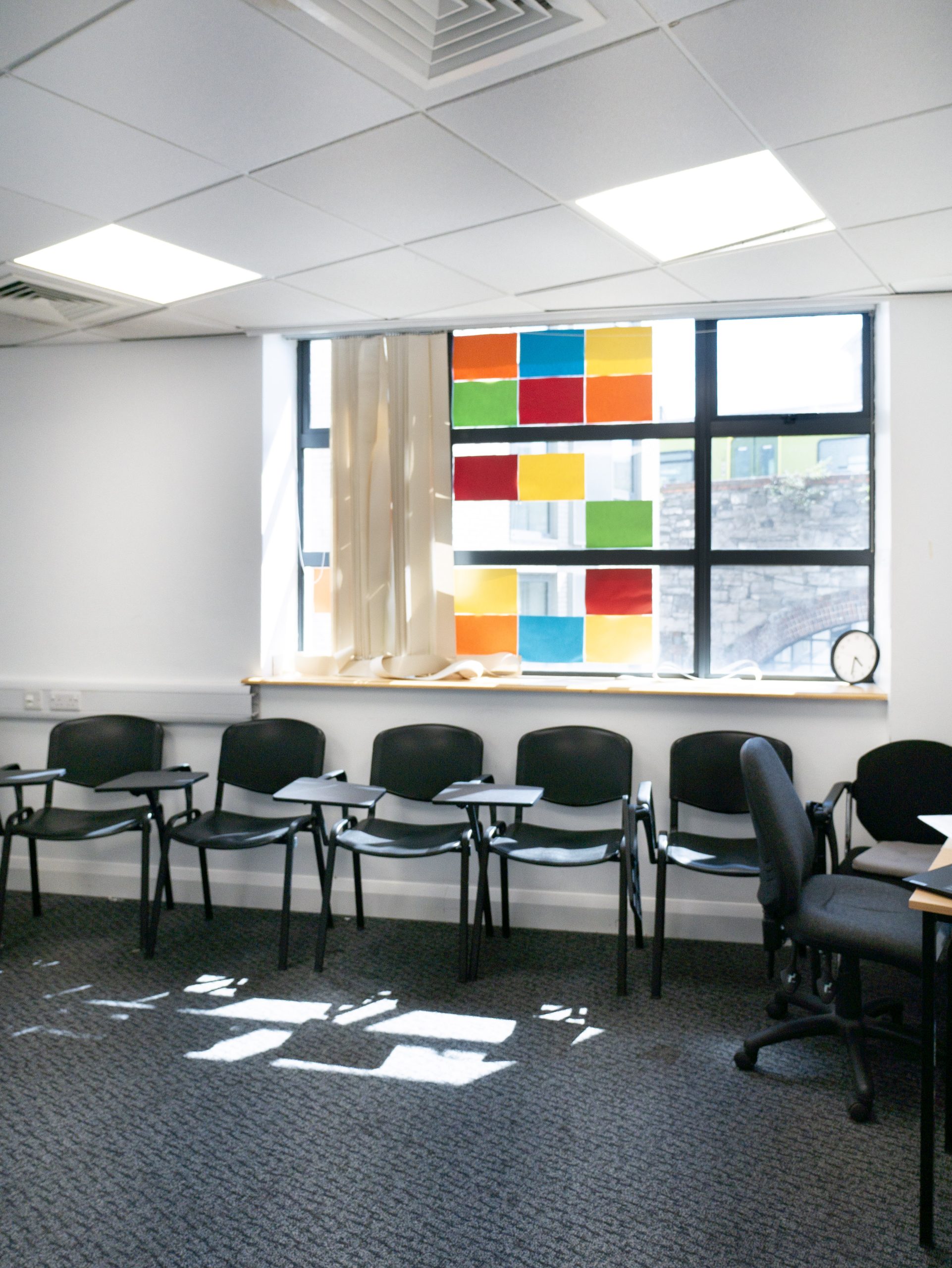
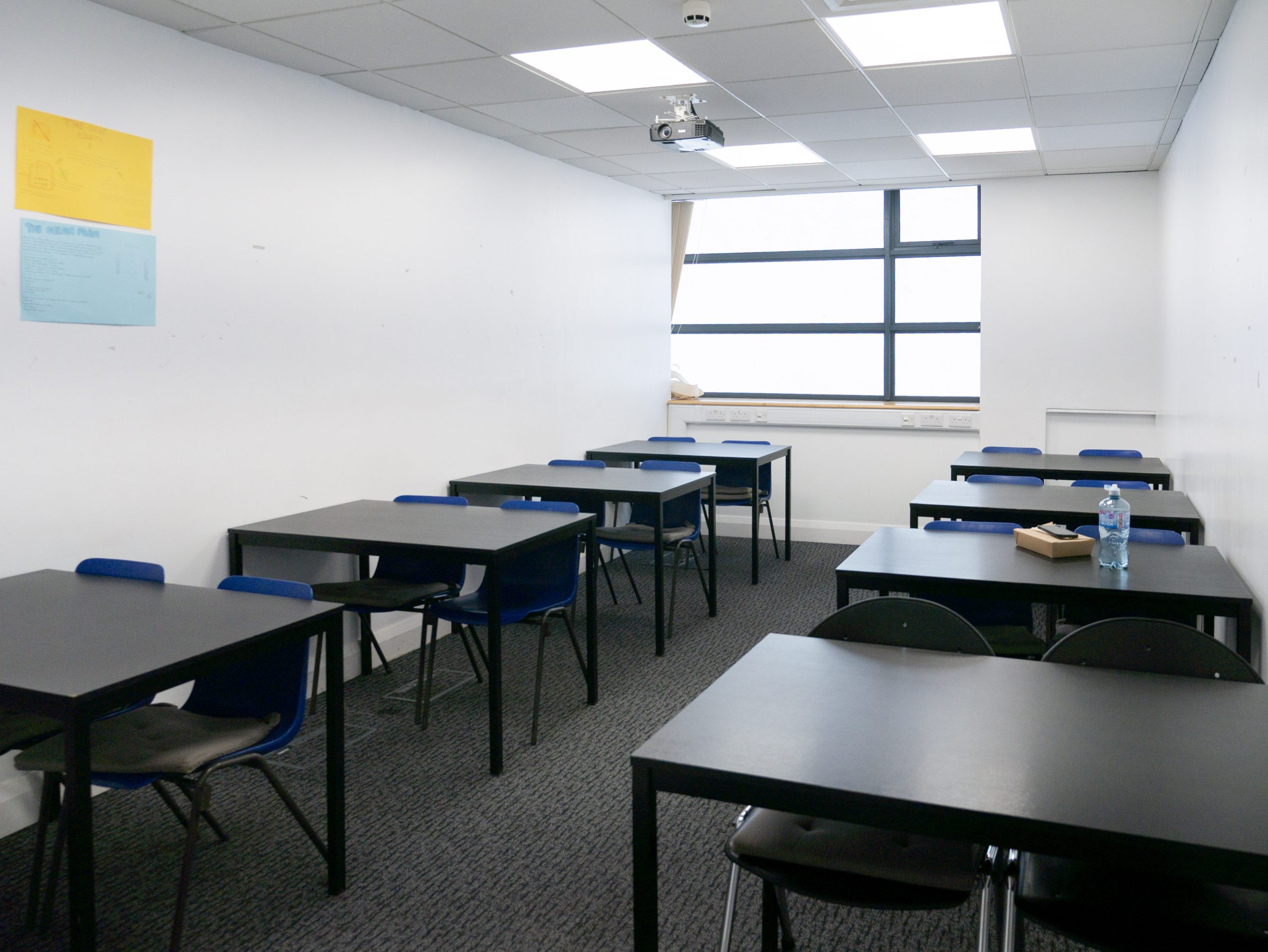
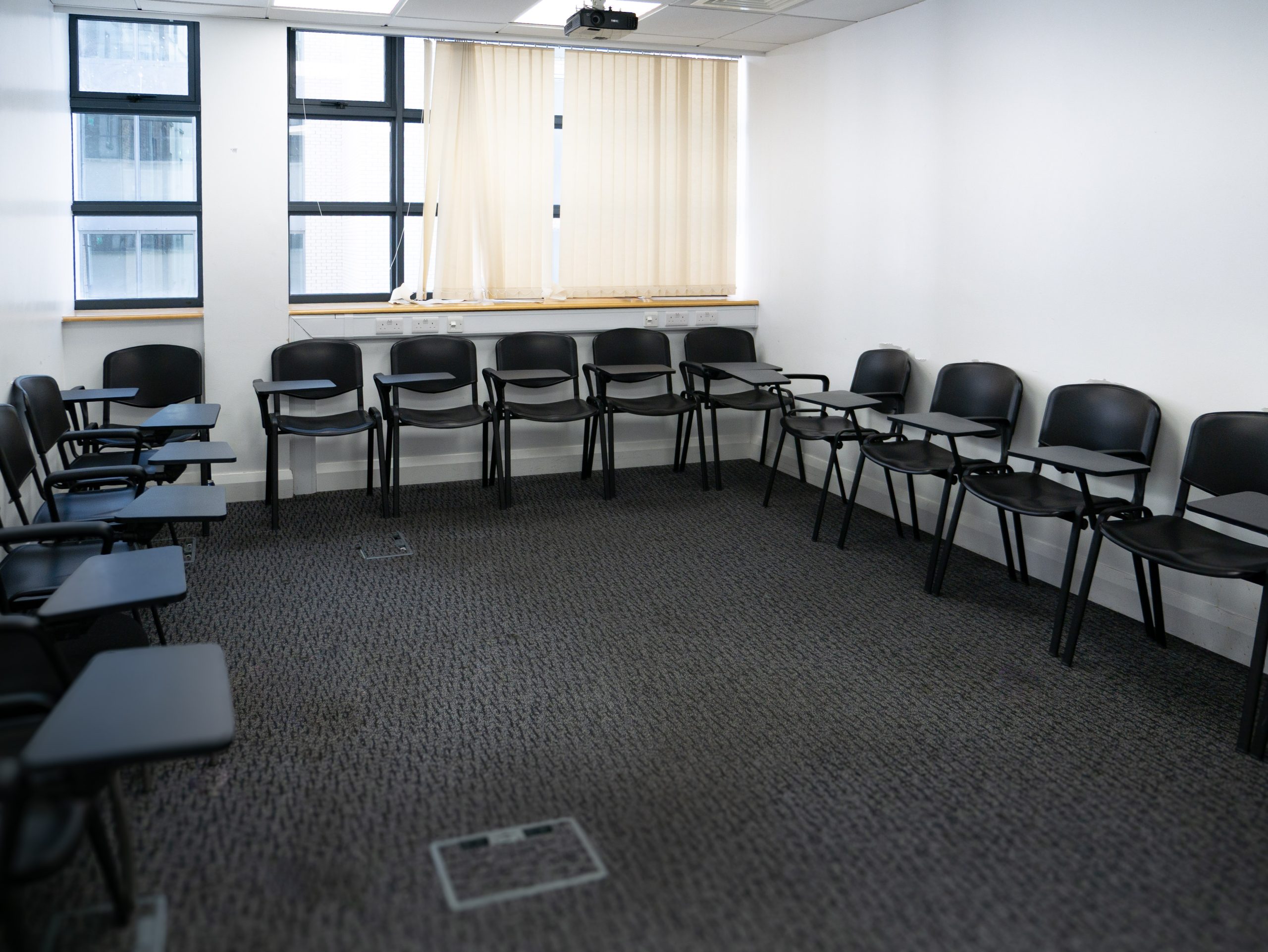
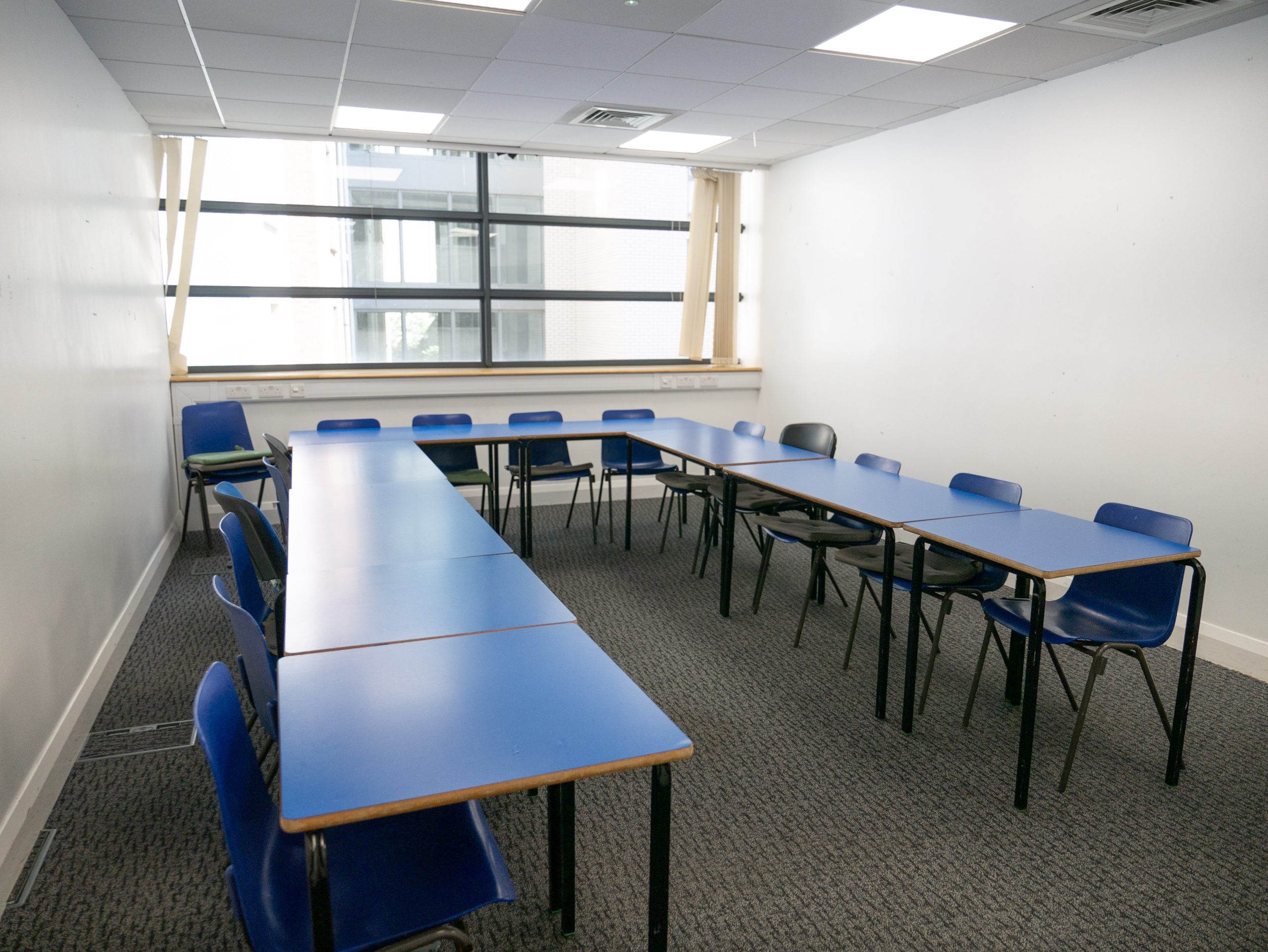
Inside Ulysses House, students will find modern, comfortable classrooms designed to provide a pleasant environment for their English lessons.

The new location gives us additional space to welcome students while maintaining the classroom environment and teaching experience that are central to our programmes.

Babel Academy at Ulysses House
Classroom at Babel Academy Ulysses House
Babel Academy new school at Ulysses House
Classroom at Ulysses House
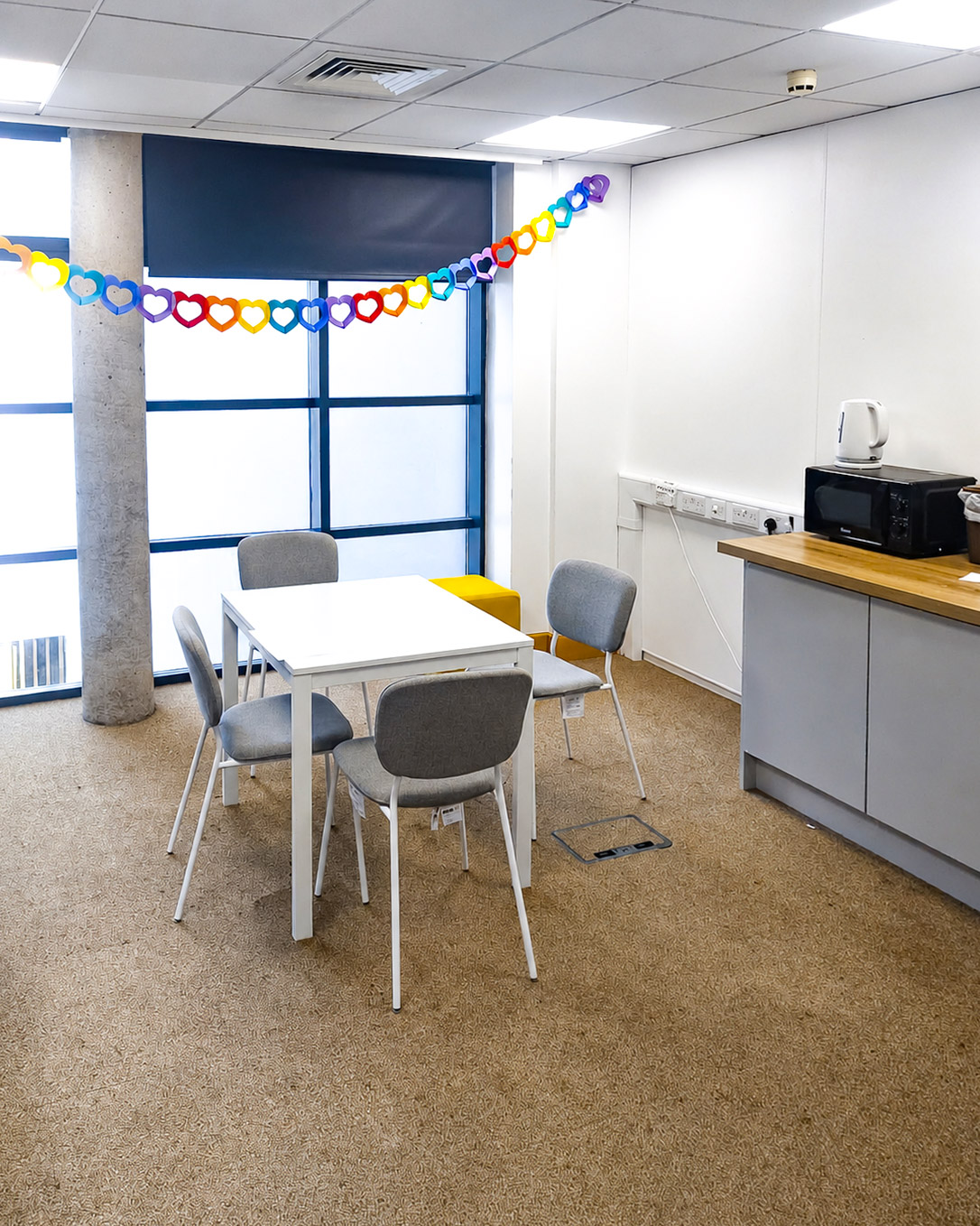
Kitchen area at Babel Academy Ulysses House
Exterior of Ulysses House on Foley Street

Our Third Location in Dublin

Ulysses House marks an important step in the continued development of Babel Academy of English. With three locations in Dublin, we are able to welcome more students while continuing to provide access to English language programmes in central and convenient locations.

We look forward to welcoming students, teachers, partners and visitors to our new Foley Street location.

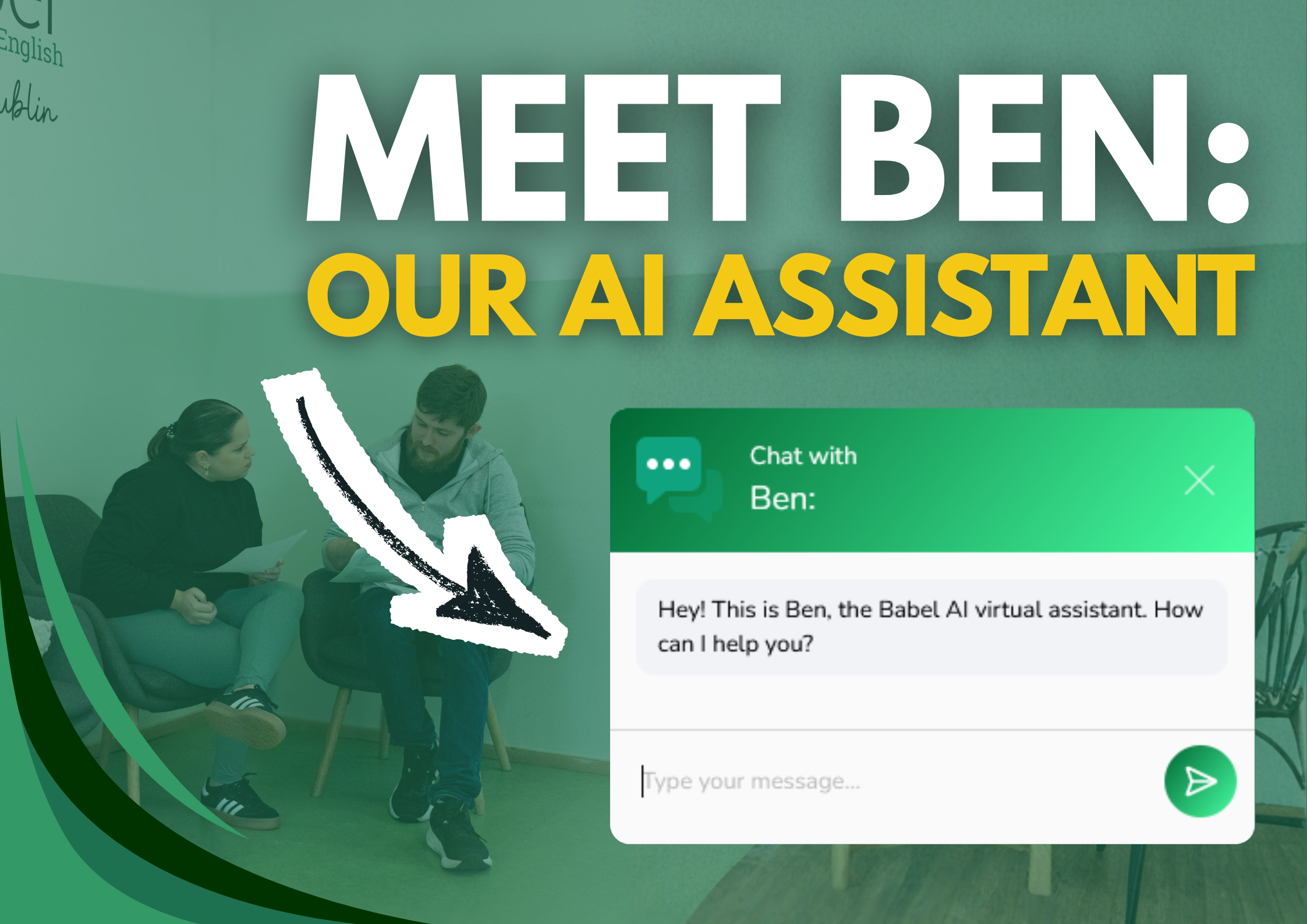
Meet Ben: Babel’s new AI Assitant

Students planning to study English in Ireland often have many questions before booking a course. Our new AI chatbot for international students was designed to help answer common questions about English courses in Dublin, Work and Study programmes, accommodation, and student life in Ireland before contacting the school directly.

How our AI Chatbot helps International Students

Ben was designed to support students during the early stages of planning their English course in Dublin.

It can provide information about:

  • English courses in Dublin for adults
  • Work and Study programmes in Ireland
  • IELTS preparation courses
  • Junior summer programmes in Dublin and Waterford
  • Accommodation options
  • Student support services
  • Orientation and arrival information
  • Activities and excursions
  • Life in Dublin as an international student
  • Jobs Club support
  • The Student Hub for Japanese and Chinese students
  • Differences between programmes and schedules

Students can ask questions naturally and receive guidance based on the information available on the Babel Academy website and official programme information.


English Courses in Dublin Explained More Clearly

One of the main goals of Ben is to help students better understand which course may fit their plans before contacting the school directly.

For example, students often ask:

  • Which English course is best for work opportunities in Ireland?
  • What is the difference between General English and IELTS?
  • How do Work and Study programmes work?
  • Which junior programme is better for my child?
  • What support is available after arrival in Dublin?

Ben can help you understand these options in a simpler and more conversational way.


Support for International Students in Ireland

Moving to another country to study English can feel confusing during the first days after arrival.

Ben can also answer practical questions related to:

  • arriving in Dublin
  • accommodation
  • student support
  • daily life in Ireland
  • transport
  • orientation information
  • activities and student experience

What the Chatbot Does Not Do

The chatbot does not replace the Babel Academy team.

We know how important human support and personal interaction are when students are planning to study abroad or adapting to life in Ireland. Many situations still need direct communication with real staff members who can provide personalised guidance and support.

The purpose of Ben is simply to help students receive quick answers to common questions and general doubts while exploring courses and programmes for the first time.

  • official quotations
  • pricing confirmation
  • enrolments
  • availability checks
  • personalised cases
  • operational arrangements

In these situations, students are guided to contact the school directly through the enquiry form.

A More Natural Way to Explore Studying English in Ireland

Our AI Assistant was designed to make finding information easier!

Instead of reading through many pages, students can ask questions directly and receive simple explanations about courses, programmes, and student life in Ireland.

The chatbot is now available through the Babel Academy website.

You can explore our English courses in Dublin here:
https://babelacademy.ie/course-categories/adults-courses/

Or visit the Babel Academy homepage to try the chatbot:
https://babelacademy.ie/

Japanese and Chinese Student Support in Dublin: Babel Academy’s New Student Hub

Moving to another country to study English can feel confusing during the first few days after arrival. At Babel Academy, we recently introduced additional Japanese and Chinese student support in Dublin through our new Student Hub for adult students, designed to help them settle into life in Ireland during their first weeks.

At the school, all students already receive practical guidance during Orientation Day. This includes information about living in Dublin, transport, accommodation, school procedures, and student life in Ireland.

This year, we decided to also offer part of that arrival support in Japanese and Chinese.


What Is the Student Hub?

The Student Hub is a support meeting available for Japanese and Chinese adult students during their first weeks in Ireland. Students can meet with Hiroko (Japanese) or Kevin (Chinese) to ask practical questions and receive guidance in their own language, especially if they do not yet feel confident communicating fully in English.

The support is very similar to the information covered during Orientation Day, but offered again in Japanese or Chinese to help students better understand daily life in Dublin after arrival.

The idea came from observing that many students still needed help after Orientation Day, particularly during the adjustment period after arrival. Even students with good English levels sometimes feel more comfortable discussing practical problems in their native language at the beginning.

Why Japanese and Chinese Student Support in Dublin Matters

Every year, many students travel to Ireland for the first time to improve their English and experience life abroad.

The classroom is only one part of that experience. The first days in Dublin usually involve paperwork, transport, accommodation, shopping, registration procedures, and adapting to a completely different routine.

Students often need to register with Irish Immigration after arrival, especially long term students. Information about immigration procedures can be found on the official Irish Immigration website:
https://www.irishimmigration.ie/

Public transport is another thing students usually need to organise quickly after arrival. Many students use the Leap Card system while studying in Dublin:
https://about.leapcard.ie/

The Student Hub was created because these practical things are often easier to understand when students can ask questions in Japanese or Chinese during the first stage of their stay.

Support During the First Weeks in Ireland

The Student Hub focuses mainly on arrival support and practical day to day questions.

Students often ask for help with:

  • – Immigration appointments in Ireland
  • -Public transport and Leap Cards
  • -Accommodation questions
  • -Opening a bank account in Dublin
  • -Buying SIM cards and phone plans
  • -Understanding official documents
  • -Navigating the city
  • -Adapting to life in Ireland


The idea is simple. After Orientation Day, students can still meet with Hiroko or Kevin in Japanese or Chinese if they need help understanding something during their first weeks in Dublin

Student Life and Student Support in Dublin

Every year, thousands of students come to Dublin to improve their English, experience Irish culture, and prepare for work, university, or international opportunities.

The academic side is only one part of the experience. Feeling comfortable in the city, understanding local systems, and knowing where to ask for help also affect how students adapt during their stay abroad.

At Babel Academy, the Student Hub became a natural extension of the support already provided during Orientation Day, especially for students who may need extra guidance during the first stage of their experience in Ireland.

Student Life at Babel Academy

Babel Academy offers English courses in Dublin for adult international students from different countries and backgrounds, including long-term and short-term adult students arriving in Ireland for the first time. Alongside classes, the school provides support services, social activities, accommodation assistance, and guidance throughout the student experience.

The Student Hub is one of the newest initiatives introduced for Japanese and Chinese students arriving in Ireland.

You can learn more about studying English in Dublin and the different options we offer here: Adult Courses

What is the official Student Leap Card requirement in 2026?

Over the past months, there has been some confusion online about Student Leap Card eligibility, especially around how many study hours are required to be considered full time for international students in Ireland. Different sources mentioned different thresholds, which understandably created uncertainty for students and education providers.

We’re happy to confirm that this has now been clearly clarified by Transport for Ireland, and the news is positive for many students at Babel Academy.

What is the official requirement?

According to the official TFI Leap Card guidance, students are eligible for a Student Leap Card if they are enrolled in:

  • Full time education or training with 15 or more hours per week, and

  • A course with a minimum duration of 6 months (25 weeks)

This confirms that 15+ hours per week is officially considered full time for Student Leap Card purposes.

Why was there confusion?

For a period of time, different statements circulated online referring to:

  • 15 hours

  • 16 hours

  • or “full time” without a clear definition

The most up to date and authoritative source, however, is the official Leap Card website managed by Transport for Ireland, which in 2026 clearly states the 15+ hours requirement.

You can have a look at the official information here:

TFI Leapcard Site

Can English language students get a Student Leap Card?

Yes, English language students can qualify for a Student Leap Card, provided their programme meets the official criteria:

  • At least 15 hours of study per week

  • A minimum course length of 6 months (25 weeks)

  • The relevant age requirements

What does this mean for Babel Academy students?

This confirmation means that:


students enrolled in qualifying long term programmes (Work and Study Programme) at Babel Academy
can access the Student Leap Card.

In practice, this allows eligible students to:

  • Travel around Dublin and Ireland at discounted student fares

  • Use public transport more affordably while studying

  • Better manage living costs during their stay

We will continue to support students by providing the official enrolment letters needed for Leap Card applications and by guiding them through the process during orientation.

If you would like to explore our available courses and see which options may suit you best, you can find more information below. You can also request a personalised quote at any time.

👉 View available courses
👉 Request a quote

7 Tips for Language Students Coming to Dublin

Planning a language trip to Dublin? Great choice! Studying English in Ireland’s lively capital is not only a great way to improve your language skills, but it’s also an unforgettable cultural experience. 

Whether you’re coming to Babel Academy of English for a few weeks or several months, a little preparation goes a long way. Here are 7 things you should know to make the most of your stay.


Our school was featured in the article titled: 31 English Conversation Activities for Adults (All Levels!)“, published on Twinkl’s educational platform. Visit the publisher’s site to explore free educational resources.

1. Get familiar with the Irish accent

The Irish accent can take some getting used to, even if you already speak English. Don’t worry! At Babel Academy, our teachers are experienced in working with international students and speak clearly and professionally. 

Tip: Before you arrive, try listening to Irish podcasts or watching TV shows like Derry Girls or The Young Offenders. It’s a fun way to get used to the rhythm and expressions of Irish English. 

2. What to pack for Ireland? 

Irish weather is famously unpredictable. It’s not uncommon to experience all four seasons in a single day! Here are the essentials you should bring: 

  • A waterproof jacket
  • Comfortable walking shoes
  • A type G power adapter (same as the UK)
  • An umbrella (be aware, it can be very windy so it won’t always be possible to use it)

Dress casually but neatly when you go to class. You’re not in a business meeting, but it’s still a professional environment. 

3. Where to stay?

Many language students choose to stay with host families, which is a great way to practice English in daily life. Other options include renting a student residence or sharing a flat with other students. Booking early is highly recommended, especially during peak seasons.

Tip: Babel Academy can help you find local accommodation options with trusted and verified hosts. 

4. How to get around Dublin?

Dublin is a walkable city, but for longer trips, you can use: 

  • The DART (a coastal train line) 
  • The LUAS (light rail/tram system) 
  • Dublin Bus (Exact change or a Leap Card is recommended)

Check out our guide on How to get a Student Leap Card.

Safety tip: Ireland has left-hand traffic. Look right first when crossing the street! 

5. Speak as much English as possible  

Don’t be shy, try to speak English whenever you can: in shops, cafĂ©s, or on trips. Irish people are famously friendly and will appreciate your effort. 

Tip: Babel Academy offers a variety of after-class group activities and social events. It’s a fantastic way to meet people and practice English in real-life situations. 

6. The cost of living 

Ireland uses the euro (€). Prices in Dublin are similar to other European capitals, though things like rent and eating out can be a bit more expensive. 

Tip: Look for deals in the supermarket (for example, sandwich + snack + drink) or try affordable cafés near university areas for lunch. 

7. Where to start exploring? 

There is so much to do and see in Dublin, it can be hard to choose where to start. Here are a few places that should be at the top of your list: 

  • Temple Bar – Dublin’s cultural and nightlife hub; 
  • Trinity College – home of the famous Long Room Library;
  • Grafton Street – a great shopping street with live street music;
  • St. Stephen’s Green – a peaceful park to relax after class;
The famous Temple Bar district

A language trip to Dublin is the perfect mix of learning and living. These tips will help you feel confident and ready to dive headfirst into a new experience. From the friendly people to the vibrant culture, Dublin is a fantastic place to improve your English and make lasting memories. 

And the best part? Babel Academy of English is here to support you inside the classroom and beyond. 


2026-2027 Academic Calendar

To help all students with planning their academic year effectively, we have provided below a detailed Student Calendar for the 2026-2027 academic year. This calendar outlines all official school and Irish Bank holidays, so that students and staff can plan their personal and professional commitments accordingly.

Calendar 2026 by Melisa

🇮🇪 2026 School and Bank Holidays

Thursday, 1 January 2026 – New Year’s Day

Monday, 2 February 2026 – St Brigid’s Day

Tuesday, 17 March 2026 – St Patrick’s Day

Monday, 6 April 2026 – Easter Monday

Monday, 4 May 2026 – May Day

Monday, 1 June 2026 – June Bank Holiday

Monday, 3 August 2026 – August Bank Holiday

Monday, 26 October 2026 – October Bank Holiday

Friday, 25 December 2026 – Christmas Day

Saturday, 26 December 2026 – St Stephen’s Day

Summer school dates are from 28 June to 2 August.

Please note that while every effort has been made to ensure the accuracy of this calendar, unforeseen changes may occur. We recommend checking for any updates or announcements throughout the year.


Additional Notes

  • – Our school is open from Monday to Friday, and we have classes from 9am-5pm.
  • – We offer a variety of English courses, including General English, Erasmus+ Staff Training, IELTS preparation, English for Work and more.
  • – We have a team of experienced and qualified English teachers.
  • – We offer a friendly and welcoming learning environment.
  • – All adult programmes commence on a rolling enrolment basis. Courses start every Monday, or Tuesday if Monday is a public holiday.

We look forward to welcoming you to our school!

Sustainability & Wellbeing in Education

Overview

This course is for staff in educational settings who wish to incorporate sustainability and promote student wellbeing in their institution. Through workshops, we facilitate a collegial environment where participants can learn from one another and gain a refreshed perspective on their roles.

Methodological Approach

Group work, discussions and practical activities ensure participants gain useful ideas to bring back to their institution. Participants are encouraged to share their experiences with others, learning about how others deal with different workplace contexts & challenges.

Content includes

  • – Alternative lesson planning and presentations
  • – Turning sustainability awareness into action
  • – Focus on wellbeing in the classroom environment


Learning outcomes

  • – Enhance knowledge of sustainability & wellbeing in education
  • – Produce educational materials that can be adapted for different workplace contexts

Requirements

  • -Teaching and non-teaching staff who are non-native English speakers
  • -Minimum B1 English language level


What’s included

  • – Registration fee
  • – Course tuition
  • – Learning materials
  • – Two cultural excursions
  • – Course certificate
  • – E-learning App access

Course Days

Monday to Friday. Saturday is an optional full day trip

Course Details

20 hours Tuition + 5 Hours Excursions/Project Work

Duration

1 week (2 weeks – choose different course for additional week)

Pre Course Online Session arranged in advance

Fee

€495

2026 Course Dates

27 April, 27 July, 26 October

Sample Schedule

Time Mon Tue Wed Thu Fri Sat
09:00-12:15 – Course orientation
– Methodology
– Teaching tools
– Innovative Methods
Application in different teaching contexts – Personal project introduction
– Irish culture
– Presentation
– Course review
Day Trip (optional addition)
14:00-16:30 Language Fluency Excursion Language Fluency Project work Excursion

Summer Camp in Ireland – Highlights from 2025

As we wrap up Summer 2025 at Babel’s Teen Summer Camp in Ireland, we’re reflecting on an incredible few weeks of learning and growth.

A Summer of Learning and Achievement

At the heart of Babel is our Summer Camp programme. This year, our students immersed themselves in the language through interactive classes and real-life communication, and their progress was clear to see.

Each student proudly received a Babel diploma at the end of the course, recognising their hard work and development.

Activities That Made this Summer Unforgettable

Outside the classroom, every day was packed with action! Our students took part in:

  • -Sports & outdoor games

  • -Irish music & dance workshops

  • -City excursions and cultural tours

  • -Arts and Crafts sessions


The People Who Brought It All to Life

None of this summer’s success would have been possible without our incredible Activity Leaders. Coming from Ireland and beyond, they brought energy, creativity, and care to every part of the programme. From leading sports and games to guiding excursions and cultural workshops, they made each day fun, safe, and engaging. Their role was essential in helping students practise English in real-life situations and feel confident every step of the way.

A Truly International Experience

This year, we welcomed students from over 15 countries, including Germany, France, Brazil, China, Spain, Italy, Japan, and Ukraine. Teens connected across cultures, languages, and backgrounds, forming friendships that we know will last far beyond the camp.

Now Booking: Summer 2026

Looking for a summer camp in Ireland next year?
Babel Summer Camp 2026 is now open for early registration!

    • âś… Immersive English learning in a fun, teen-focused environment

    • âś… Full cultural and activity programme in beautiful Ireland

    • âś… Safe and supportive homestays

    • âś… International friendships and personal growth

    • âś… Diploma of completion and visible language progress

 Contact us now to reserve your place!

Do you want to see the available options? Click here: https://babelacademy.ie/course-categories/junior-courses/

Dublin on a Dime: Your Ultimate Guide to an Affordable Irish Adventure!

Dublin on a Budget? Absolutely!

Dublin, with its vibrant culture and rich history, often carries a reputation for being one of Europe’s pricier capitals. While the cost of living can be substantial for residents, experiencing the magic of Ireland’s capital on a budget is not only achievable but also incredibly rewarding for visitors. Prepare to explore Dublin on a dime and uncover its many treasures.

Smart Stays: Finding Your Budget-Friendly Bed in Dublin

Accommodation typically accounts for a significant portion of any travel budget. However, Dublin provides numerous avenues to manage these expenses effectively. The crucial elements involve knowing precisely where to search and when to finalize bookings.

Hostels & Guesthouses: Your Wallet’s Best Friend

Dublin offers a diverse array of hostels and guesthouses that deliver quality experiences without the exorbitant prices often associated with hotels. It is possible to find stays for as low as $16 to $24 per night, which represents a substantial reduction from the average hotel price of $104 per night. Several highly-rated and budget-friendly hostels stand out: Abbey Court Hostel, Ashfield Hostel, Gardiner House Hostel, Garden Lane Backpackers, Abigail’s Hostel, Generator Dublin, and Jacobs Inn Dublin. For those seeking a slightly cozier or more private atmosphere, several guesthouses offer compelling value, such as Egans House, Kilronan Guesthouse, and Lyndon House.

Beyond the City Centre: Exploring Charming, Cheaper Neighborhoods

While staying in central Dublin offers undeniable convenience, venturing slightly beyond the immediate city core can lead to substantial financial savings and often a more authentic local experience. Drumcondra, Ballsbridge, Ranelagh, Rathmines, and The Liberties (Dublin 8) present excellent alternatives, boasting strong public transport links and a good selection of lodging options. This allows for a trade-off: a short commute in exchange for significant savings, and an opportunity to immerse oneself in genuine Dublin life.

Booking Hacks: Timing is Everything

Securing the best deals on accommodation in Dublin heavily depends on strategic timing. Off-season travel is key, with February, November, and December being the most economical months. Midweek stays are generally more affordable, and booking in advance can lock in lower prices. Additionally, bundling flights and hotels together as a package can unlock substantial savings, potentially up to $1,045.

Feast for Less: Savouring Dublin’s Flavours on a Budget

Dublin’s vibrant culinary landscape can be thoroughly enjoyed without incurring exorbitant costs, ranging from comforting pub fare to diverse international dishes.

Affordable Eats: Discovering Hidden Gems

Many restaurants across Dublin offer delicious and satisfying meals for under €10-€20, directly challenging the common perception that all dining experiences in the city are expensive. For pizza and falafel, Sano Pizza, Umi Falafel, and DiFontaine’s offer excellent value. Middle Eastern and Asian eateries like Shouk, Super Asia Foods, White Rabbit, El Grito, Yum Thai, Aobaba, Musashi, and Kimchi Hophouse provide diverse and budget-friendly options. For authentic Sichuan food, M&L Chinese and Andhra Bhavan are noted. Chiya offers Berlin-style döners, and Pho Ta serves Vietnamese dishes. For Irish and European comfort food, The Cheeky Piglet, The Flanagan’s, Mugg Uggly, McGuinness’s, Govinda’s, Glas, and Lucky’s provide plenty of affordable choices.

Early Bird & Lunch Deals: Timing Your Meals for Savings

A strategic approach to dining in Dublin involves taking advantage of “early bird” or pre-theatre dinner specials, which are often considerably more affordable than standard dinner menus. Restaurants like Achara, Hawksmoor, Orwell Road, Toscana Restaurant, and Red Torch Ginger offer these deals. Many restaurants also offer more affordable prices during lunch hours.

Supermarket Savvy: Self-Catering for Ultimate Savings

For travelers committed to maximizing their budget, particularly those staying in accommodations with kitchen facilities, purchasing groceries and preparing meals can dramatically reduce food expenses. Major supermarkets like Dunnes Stores and Tesco are excellent resources for affordable meal solutions, offering promotions and meal deals. Circle K convenience stores also provide meal deals.

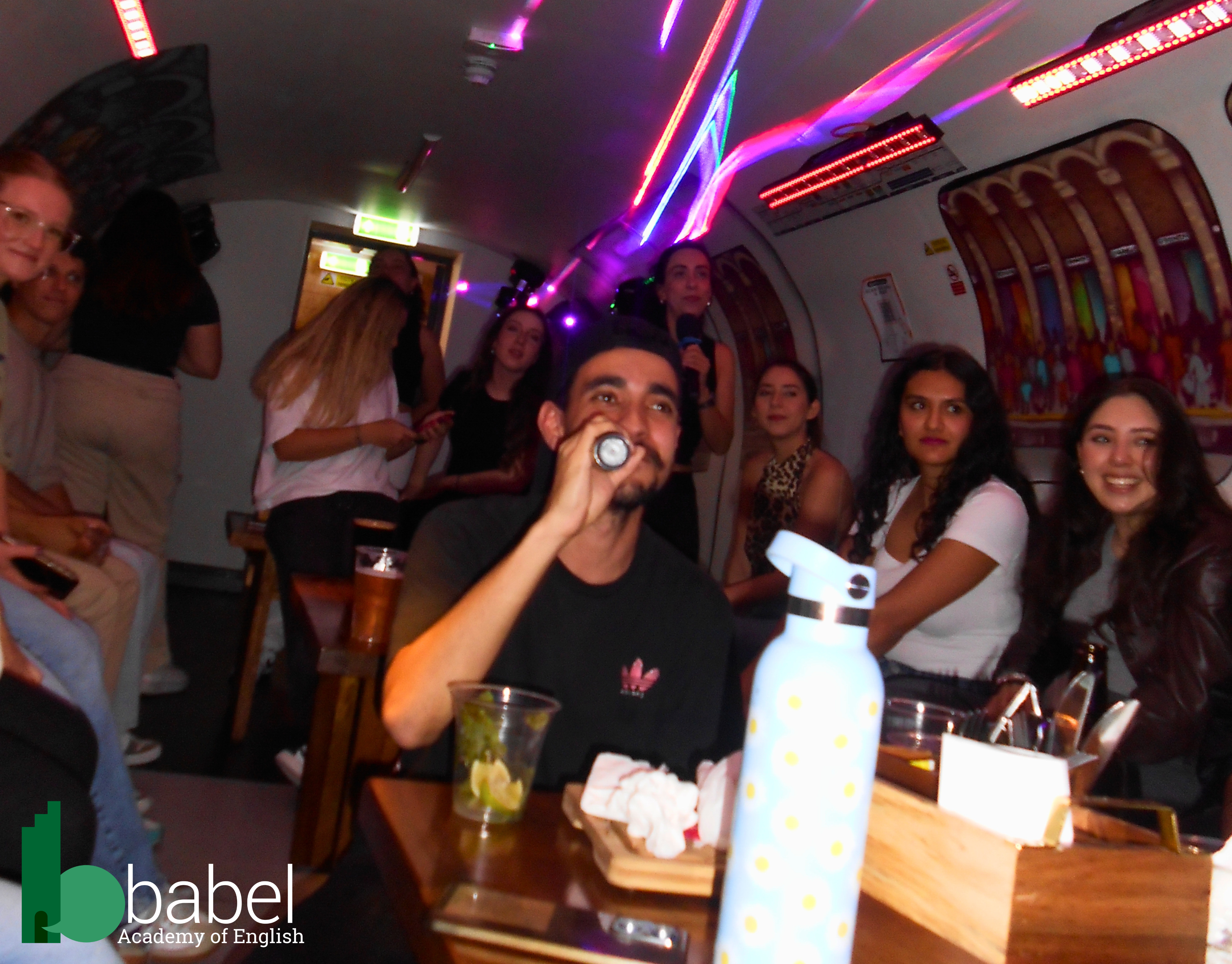
Pub Grub & Pints: Finding Value Beyond Temple Bar

While pubs in the Temple Bar district are iconic, they are also notorious for their elevated prices. Many local pubs offer excellent value for food and a more authentic Irish experience. The Brazen Head, Wetherspoon, O’Neills Pub & Kitchen, and O’Reilly’s Bar & Kitchen are known for their value. Even within Temple Bar, Gallagher’s Boxty House and Quays Irish Restaurant offer better value. Platforms like Early Table can also be utilized for discounts.
 

Free & Frugal Fun: Exploring Dublin Without the Price Tag

Dublin is a city rich in history, culture, and natural beauty, much of which can be experienced without spending a single euro.

Museums & Galleries: A Treasure Trove of Free Culture

A remarkable aspect of Dublin’s cultural landscape is the accessibility of its national museums and galleries, many of which offer free admission. The Natural History Museum, The Chester Beatty, National Museum of Ireland – Archaeology, The Irish Museum of Modern Art (IMMA), and The National Gallery of Ireland are must-visit free museums. Other notable free cultural sites include The Garda Museum at Dublin Castle, Hugh Lane Gallery, National Library of Ireland, The Custom House, Pearse Museum, James Joyce Tower and Museum, and The Grand Lodge of Ireland.

Parks & Walks: Discovering Dublin’s Green Heart

Dublin offers a wealth of free outdoor spaces. Phoenix Park, one of Europe’s largest enclosed urban parks, is home to wild fallow deer and beautiful gardens. St. Stephen’s Green, a peaceful Victorian park, provides a tranquil escape. Exploring the historic campus of Trinity College and the Dublin Castle Gardens is also free. For scenic natural beauty, the Howth Coastal Walk, Dublin Mountains walks, Killiney Hill Walk, Poolbeg Lighthouse walk, National Botanic Gardens, Iveagh Gardens, Marlay Park, and St Anne’s Park offer enriching experiences at no cost.

Free Tours & Events: Engaging with Local Culture

Dublin offers dynamic ways to engage with its local culture without spending money. Free Walking Tours are an excellent method to familiarize oneself with the city’s layout and history (tipping is customary). The “Heritage Sites Free on First Wednesday” initiative allows free exploration of specific historical properties. The Temple Bar Food Market every Saturday is a vibrant, sensory experience, offering a chance to soak up the lively atmosphere and interact with locals.
Getting Around: Navigating Dublin Affordably

Efficient and inexpensive transportation is a cornerstone of any budget-friendly trip. Dublin offers an excellent public transport network and a variety of active, affordable alternatives.

Leap Card: Your Essential Travel Companion

The TFI Leap Card is a prepaid travel card that provides users with the lowest public transport fares, often making journeys up to 30% cheaper compared to paying with cash. It’s widely available and valid across Dublin Bus, Luas (tram), DART, commuter rail, and numerous commercial bus services. A key feature is its fare capping mechanism, allowing for unlimited travel once daily or weekly caps are reached. The Leap Visitor Card, specifically designed for tourists, offers unlimited travel for a set period (1, 3, or 7 days) at a fixed price, making it a highly convenient and often more economical choice for intensive sightseeing compared to a standard pay-as-you-go Leap Card.

Bike Sharing: Eco-Friendly and Affordable Exploration

Dublin’s bike-sharing schemes offer an eco-friendly and highly affordable way to explore the city. Dublin Bikes is a prominent system with numerous docking stations; the first 30 minutes of each journey are free. Other services like Phoenix Park Bikes, Bleeper Bikes, and Moby Bikes provide flexible and cost-effective alternatives.

Walk Everywhere: The Best (and Free) Way to Explore

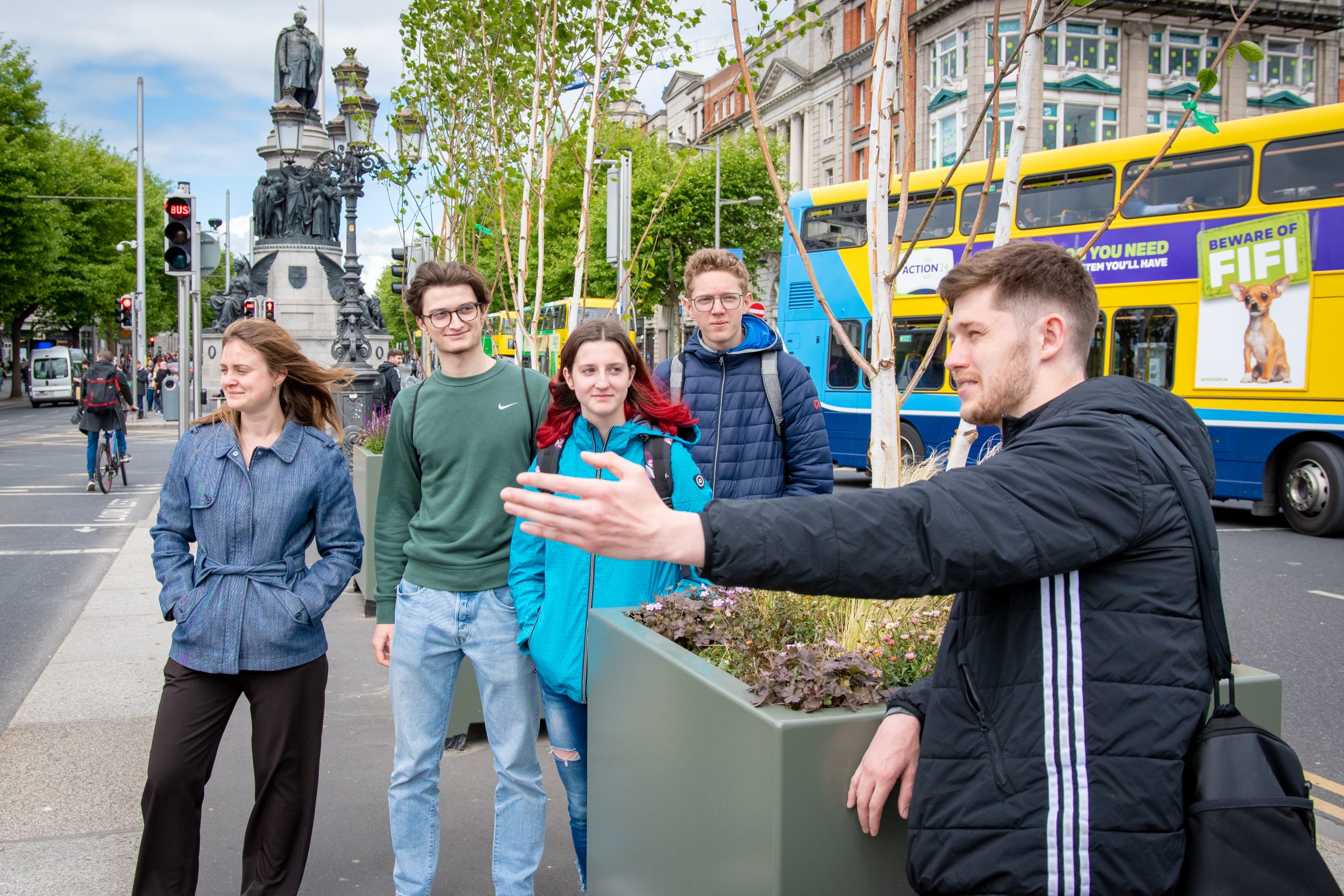
Perhaps the most budget-friendly and enriching way to experience Dublin is simply by walking. The city center is remarkably pedestrian-friendly, allowing visitors to fully immerse themselves in the local culture, admire the architecture, and stumble upon hidden gems at their own unhurried pace.

Conclusion: Dublin on a Budget – A Reality, Not a Myth

Dublin, while often perceived as an expensive city, presents a surprisingly accessible and affordable experience for tourists. The key to unlocking an affordable Dublin adventure lies in strategic planning and a willingness to explore beyond the most obvious tourist traps.

Significant savings can be achieved on accommodation by opting for well-regarded hostels and guesthouses and timing visits strategically. When it comes to dining, leveraging early bird and lunch deals, exploring local eateries, and embracing self-catering options can dramatically reduce food expenses. The sheer abundance of free cultural attractions and natural spaces, coupled with affordable and efficient public transport via the TFI Leap Card and bike-sharing schemes, means that a rich and engaging itinerary can be crafted with minimal expenditure. Dublin on a dime is not just a possibility; it is a vibrant reality waiting to be discovered.