Praktikum in Dublin Erfahrungen: Meine erste Woche

Warum ich in Dublin ein Praktikum mache

Hallo zusammen! Ich mache normalerweise meine Ausbildung im E-Commerce in Berlin. Aktuell bin ich aber für ein Auslandspraktikum in Irland. Dank Erasmus+ habe ich meinen Alltag in Deutschland gegen ein Praktikum in Dublin getauscht. Ich arbeite an der Rezeption und im Marketing einer Sprachschule. Praktikum in Dublin Erfahrungen sammle ich dabei gerade jeden Tag neu. Deshalb teile ich hier meine ersten Eindrücke und Tipps, die mir in der ersten Woche wirklich geholfen haben.


Belebte Kopfsteinpflasterstraße in Dublin mit roten Pub-Fassaden, Lichterketten und Passanten.


Ankunft in Dublin: Mein Start ins Auslandspraktikum

Mein Start in Dublin war direkt intensiv. Wir sind am Sonntagnachmittag angekommen, deshalb blieb kaum Zeit zum Ankommen oder Auspacken. Stattdessen hieß es: Wecker stellen, denn mein erster Arbeitstag begann am Montagmorgen um 8:30 Uhr.

Schon ab Tag eins fühlte es sich anders an als ein Urlaub. Meine Unterkunft liegt am Stadtrand, daher klingelt mein Wecker früh (bei mir war es 6:50 Uhr). Gerade im Winter sehe ich Dublin unter der Woche oft erst im Dunkeln. Trotzdem hat die Stadt selbst bei Nieselregen und Straßenlaternenlicht etwas Besonderes.


Schotterweg auf einen Hügel mit Felsen und Sträuchern, mehrere Wanderer oben und am Weg, blauer Himmel.


Dublin vs. Berlin: Orientierung und erster Eindruck

Was mir sofort aufgefallen ist: Dublin wirkt deutlich kompakter als Berlin. Im Großraum Dublin leben zwar rund 1,4 Millionen Menschen, aber das Zentrum fühlt sich kleiner und familiärer an. Außerdem sind viele Orte, die man am Anfang braucht, überraschend gut zu Fuß erreichbar, vor allem rund um den Fluss Liffey. Dadurch hat mir das in den ersten Tagen sehr geholfen, weil ich mich schneller orientieren konnte.


Eckgebäude aus rotem Backstein mit irischem Pub im Erdgeschoss, Straßenkreuzung in Dublin.

Lebenshaltungskosten in Dublin: Preise und Spartipps

Ein echter Kulturschock waren die Preise. Dublin ist spürbar teurer als Berlin, besonders bei Miete, Restaurantbesuchen und auch im Pub. Wenn du ein Praktikum in Dublin machst, lohnt es sich deshalb, direkt am Anfang auf kleine Spartipps zu achten. Vor allem in der ersten Woche merkt man das sofort.

Tipp für die erste Woche: Meal Deal (günstig essen)

In meiner ersten Mittagspause habe ich fast 10 Euro für Snacks bezahlt. Danach habe ich den „Meal Deal“ entdeckt: In vielen Supermärkten bekommst du für etwa 4,99 Euro ein Sandwich oder einen Wrap, einen Snack und ein Getränk. Für mich war das der beste „Erste‑Woche“-Hack, weil man schnell etwas zu essen bekommt und trotzdem im Budget bleibt. Gerade an stressigen Tagen ist das extrem praktisch.


Nachtaufnahme einer Stadt mit beleuchteten Straßen und Häusern, Blick über Dächer unter klarem Himmel.

Nahverkehr in Dublin: Leap Card einfach erklärt

Auch der Nahverkehr ist anders als in Deutschland. Statt einer klassischen Monatskarte wird in Dublin häufig die Leap Card genutzt. Das ist eine grüne Guthabenkarte, die du auflädst und dann beim Fahren nutzt.

Wichtig in der Praxis:

  • Beim Einsteigen hältst du die Karte an das Gerät („Tag-on“).

  • Beim Aussteigen hältst du sie nochmal dran („Tag-off“).

  • Wenn du das Tag-off vergisst, kann es passieren, dass dir automatisch der höhere bzw. maximale Preis berechnet wird.

Wenn du in deiner ersten Woche in Dublin viel pendelst, ist es sinnvoll, dieses System direkt zu verinnerlichen. So sparst du Geld und außerdem auch Stress.


Bunte Pub-Fassade in Dublin mit Flaggen und gestreiften Markisen an einer Kopfsteinpflasterstraße.

Sprache und Kultur: Akzent, „Grand“ und Mentalität

Sprachlich komme ich gut zurecht. Allerdings waren der irische Akzent und das Tempo mancher Einheimischer anfangs ungewohnt. Was mir an meinem Auslandspraktikum in Dublin besonders auffällt, ist die Freundlichkeit der Menschen. Zwei kulturelle Kleinigkeiten waren für mich sofort hilfreich:

  • „How are you?“ oder „Howya?“ ist oft nur eine Begrüßung. Es ist also keine echte Frage nach deinem Befinden.

  • Das Wort „Grand“ ist eine der wichtigsten Vokabeln. Es bedeutet meist nicht „großartig“, sondern eher „passt schon“, „alles okay“ oder „gut“.


Abendliche Kopfsteinpflasterstraße mit Lichterketten und großer leuchtender Rentier-Dekoration, viele Menschen unterwegs.

Fazit: Praktikum in Dublin Erfahrungen nach Woche 1

Trotz Regen und hoher Preise gefällt mir mein Praktikum in Dublin sehr gut. Ich mag die Pub-Kultur mit Live-Musik, und ich fand es spannend zu sehen, wie schnell man in der Stadt ankommt, wenn man erst einmal seinen Alltag rhythmisiert hat.

Insgesamt bin ich gespannt auf die nächsten Wochen und besonders auf meinen ersten Ausflug an die irische Küste. Ich hoffe, meine Erfahrungen beim Praktikum in Dublin helfen dir bei deiner eigenen Planung.

Autor

Jonas Welz

Praktikant

What is the official Student Leap Card requirement in 2026?

Over the past months, there has been some confusion online about Student Leap Card eligibility, especially around how many study hours are required to be considered full time for international students in Ireland. Different sources mentioned different thresholds, which understandably created uncertainty for students and education providers.

We’re happy to confirm that this has now been clearly clarified by Transport for Ireland, and the news is positive for many students at Babel Academy.

What is the official requirement?

According to the official TFI Leap Card guidance, students are eligible for a Student Leap Card if they are enrolled in:

  • Full time education or training with 15 or more hours per week, and

  • A course with a minimum duration of 6 months (25 weeks)

This confirms that 15+ hours per week is officially considered full time for Student Leap Card purposes.

Why was there confusion?

For a period of time, different statements circulated online referring to:

  • 15 hours

  • 16 hours

  • or “full time” without a clear definition

The most up to date and authoritative source, however, is the official Leap Card website managed by Transport for Ireland, which in 2026 clearly states the 15+ hours requirement.

You can have a look at the official information here:

TFI Leapcard Site

Can English language students get a Student Leap Card?

Yes, English language students can qualify for a Student Leap Card, provided their programme meets the official criteria:

  • At least 15 hours of study per week

  • A minimum course length of 6 months (25 weeks)

  • The relevant age requirements

What does this mean for Babel Academy students?

This confirmation means that:


students enrolled in qualifying long term programmes (Work and Study Programme) at Babel Academy
can access the Student Leap Card.

In practice, this allows eligible students to:

  • Travel around Dublin and Ireland at discounted student fares

  • Use public transport more affordably while studying

  • Better manage living costs during their stay

We will continue to support students by providing the official enrolment letters needed for Leap Card applications and by guiding them through the process during orientation.

If you would like to explore our available courses and see which options may suit you best, you can find more information below. You can also request a personalised quote at any time.

👉 View available courses
👉 Request a quote

Public Transport in Dublin: A Guide for Language Students

If you’re planning to learn English in Dublin, knowing how to get around the city is essential. Whether you’re heading to class at Babel Academy of English, exploring the city, or travelling to your accommodation, Dublin has several convenient public transport options.

As one of the best places to learn English in Dublin, we want to make sure you feel confident navigating the city. Here’s a quick guide to help.

The Leap Card

If there is one thing worth highlighting more than anything else, it is the Leap Card. What is the Leap Card? In short, the Leap Card is the cheapest and most convenient way to use public transport in Dublin and the surrounding areas.

There are different types of Leap Cards, each with their own benefits and restrictions. A regular Leap Card is available to all adults can save you up to 30% on public transport fares. There is no need to apply for one, as you can simply buy one at Dublin Airport or any of the locations listed here on the Leap Card website. Students who are 19 to 25 years old, or enrolled in a 6+ month (Academic Year) course, can apply for a Student/Young Adult Leap Card. A Student/Young Adult Leap Card gives you a 50% discount on all adult public transport fares. For more information on Leap Cards and how to apply for one, check the official Leap Card website.

Types of Public Transport in Dublin

There are three main types of public transport in Dublin:
– Dublin Bus
– Luas (tram)
– DART (train)

Each one is useful depending on where you’re going — and all of them are accessible using a Leap Card.


How to Use Dublin Bus

1. Buses do not stop automatically. When you’re at a bus stop, stick your hand out to signal the driver.

2. Not sure if it’s the right bus? Just ask the driver — they’re usually very helpful.

3. You can pay with a Leap Card or exact change in coins (notes are not accepted and no change is given).

4. Use the TFI Live App to plan your route and check when your next bus is due.


How to Use the LUAS (Tram)

1. Buy your ticket at the machine or tap on and off using your Leap Card at the platform.

2. Don’t forget to tag off when you get off — otherwise, you’ll be charged the maximum fare.

3. The LUAS is great for getting across the city quickly, especially to places like Tallaght, Sandyford, and The Point.


How to Use the DART (Train)

The DART runs along the coast and is perfect for visiting scenic seaside towns like Howth, Dun Laoghaire, and Bray.

1. Buy a ticket at the machine or use your Leap Card to tap on and off at the gate or pole.

2. Again, remember to tap off to avoid being charged the default fare.


Transport from Dublin Airport to the City Centre

1. If you’re arriving in Dublin for your English classes, here are your options from the airport:

2. Dublin Bus 41 and 16: These are regular buses that go to the city centre, meaning you’ll need a Leap Card or exact change to pay.

3. Dublin Express: A private coach service that runs 24/7, approximately every 30 minutes. It’s faster and more direct. Tickets are available online or at the airport.


Which Type of Transport Should I Take?

Use the free TFI Live App (Transport for Ireland) to find:

1. The fastest route

2. Real-time arrival info

3. The best combination of transport options for your journey

It’s a must-have tool for anyone new to Dublin, especially if you’re studying at a Dublin language school like Babel Academy.

Final Tips for English Language Students

If you’re wondering what to expect in a Dublin language school, remember that getting involved in everyday city life is one of the best ways to improve your English. Using public transport is a daily opportunity to practice listening, reading signs, asking questions, and interacting with locals — it’s one of the best places to practice English in Dublin.

At Babel Academy of English, we’re here to support you with practical guidance like this, as well as high-quality English lessons that help you build confidence.

Contact us to find out how you can learn English in Dublin with confidence.

How to get a Student Leap Card

Why get a Student Leap Card?

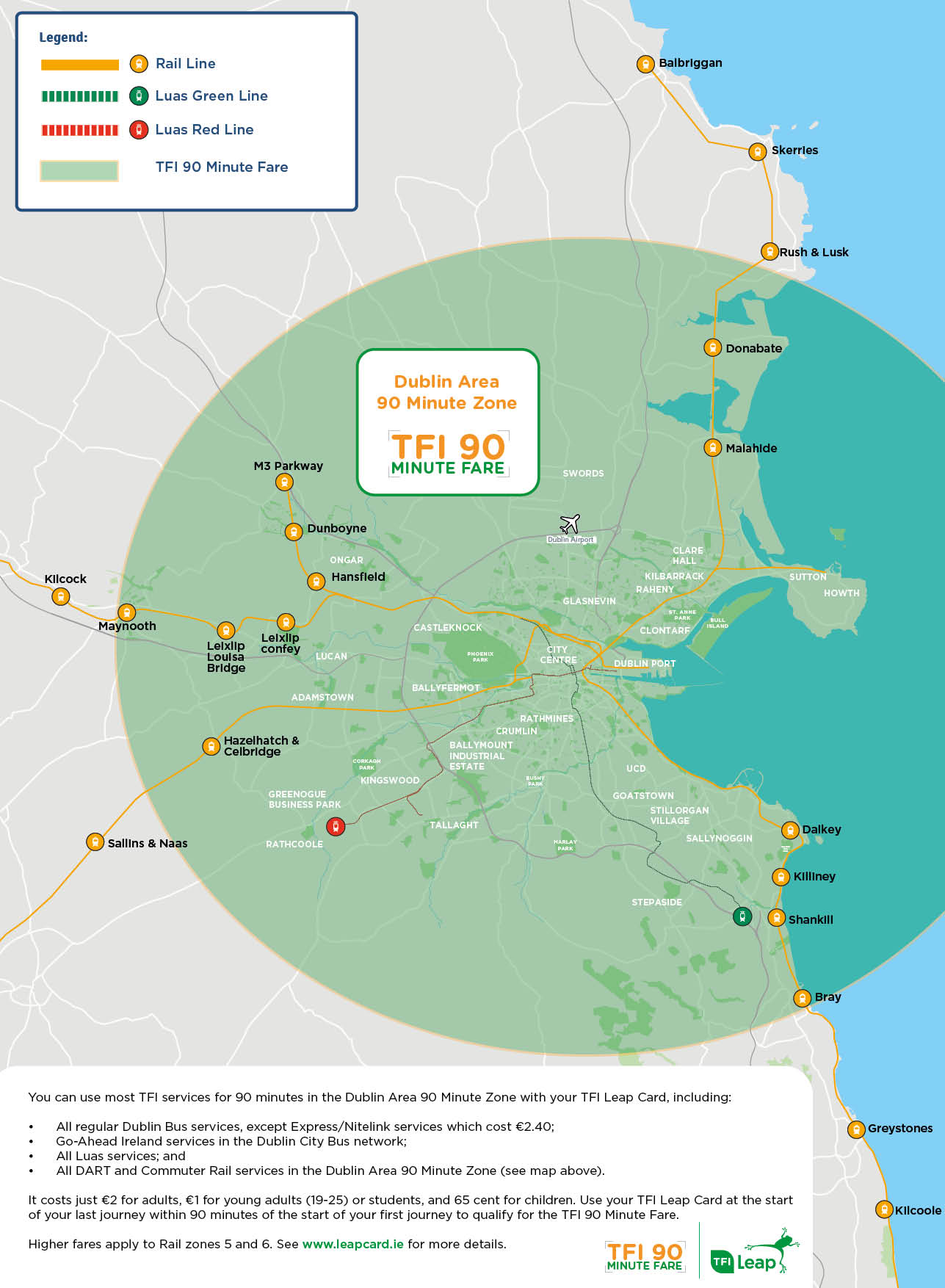
As a student, the main reason to get a Student Leap Card is, of course, to save money. It is one of the cheapest ways to commute around Dublin, giving you a 50% discount when using public transport, including Dublin Bus, Go-Ahead Ireland, Luas, DART and commuter rail within the Dublin area. The Student Leap Card also allows you to travel within a 90-minute zone for just €1,00! This can save you a lot of money if you have to use multiple services during your commute.

How to get a Student Leap Card?

Student Leap Cards are available to people enrolled in a full-time course (26+ weeks). If you are studying at Babel Academy of English, you can request a Leap Card letter at the front desk.

The steps to get a Student Leap Card are easy. You can apply and pay online, then collect the card from a Student Leap Agent at any of the locations listed here on the TFI website.

To apply for one, go to https://student.leapcard.ie/New-Card#dobCheck and follow these steps:

Step 1: Enter your date of birth and check all the boxes

Step 2: Use your device’s camera to take a photo and confirm

Step 3: Enter your personal details and your Eircode (Irish equivalent to a postcode)

– College name: select Other, and type Babel Academy of English

– Study type: select ‘Other’

– Click to accept terms and conditions

Step 4: Pay (€10) and confirm

Step 5: Pick up your Student Leap Card at a Student Leap Agent. Bring your photo ID (such as a passport) and your school letter.

How to top-up your Leap Card

There are a few ways to top up your Leap Card:

  1. The Leap Top-Up App. With the app you can see you balance, top-up your card and add other travel tickets. Check the official website for more information.
  2. Go to any of the Leap Card Agents listed on the TFI website.
  3. At Luas, DART & Commuter Rail ticket machines.

Best of luck and safe travels!